Ngũgĩ wa Thiong’o: three days with a Giant of African Literature…
Shock as Details Emerge on How Literary Legend Ngũgĩ wa Thiong’o is Battling Sickness, Divorce, and Loneliness in the US
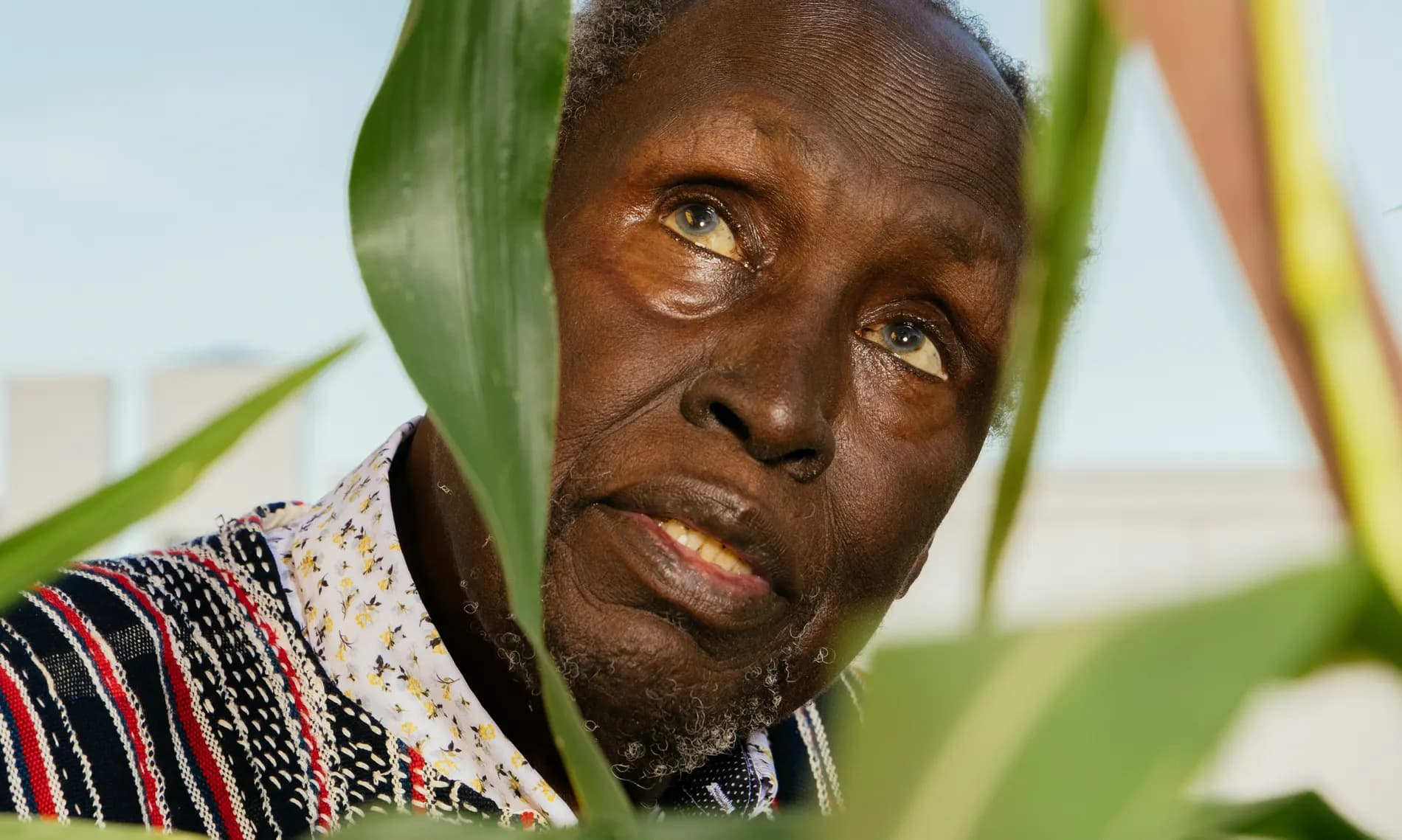
The Kenyan novelist’s life and work have intersected with many of the biggest events of the past century. At 85, he reflects on his long, uncompromising life in writing
by Carey Baraka
Approach
In October, I flew to Irvine to meet the novelist Ngũgĩ wa Thiong’o. I had spent the previous few weeks in cold and windy Iowa, and the sunshine and warmth of California was a balm. I sat in the back seat of my cab, quiet. Outside, huge American trucks thundered past, the tangy smell of the ocean in the air.
Ngũgĩ is a giant of African writing, and to a Kenyan writer like me he looms especially large. Alongside writers such as Chinua Achebe and Wole Soyinka, he was part of a literary scene that flourished in the 1950s and 60s, during the last years of colonialism on the continent. If Achebe was the prime mover who captured the deep feeling of displacement that colonization had wreaked, and Soyinka the witty, guileful intellectual who tried to make sense of the collision between African tradition and Western ideas of freedom, then Ngũgĩ was the unabashed militant. His writing was direct and cutting, his books a weapon – first against the colonial state, and later against the failures and corruption of Kenya’s post-independence ruling elite.
In short, approaching Ngũgĩ’s house in California, I felt nervous, my body a hotbed of cliches: hands shaky, palms clammy, heart racing. The plan had been to write a profile, taking the measure of this legendary author, who was now 84, and entering the final phase of his life.
Ngũgĩ had suggested that I stay with him during my time in Irvine. His health was poor and he would be having surgery, he said. If I stayed, it would be easier to speak. It was a strange arrangement, not exactly befitting the journalistic objectivity I had hoped to cultivate. But I wanted as much time with him as possible, and besides, I reasoned, I’d keep things professional.
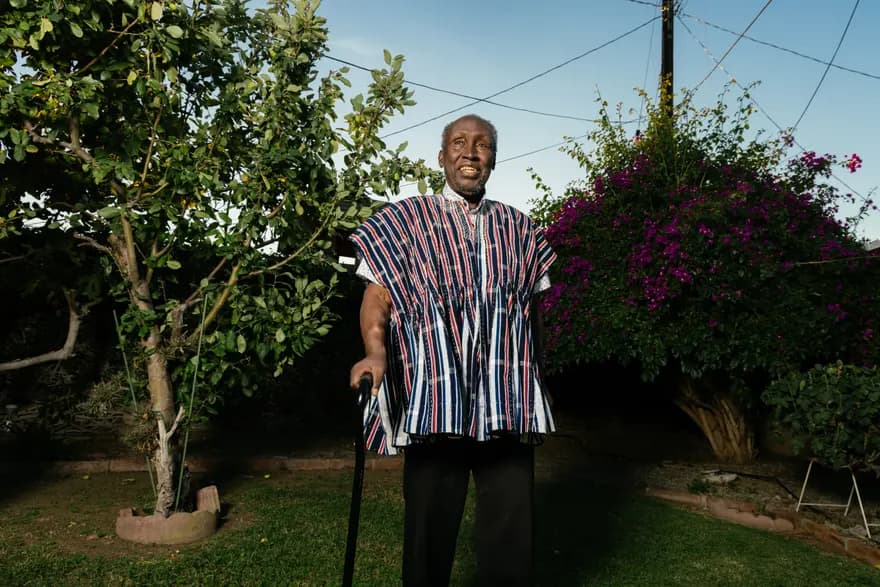
And now here I was, pulling into his driveway, walking up to his redbrick bungalow at the end of a cul-de-sac, and ringing the bell.
I had never met Ngũgĩ before. I had seen him only once, at the launch of a translation project in Nairobi in 2017, and now he was before me. At the event, he’d spoken about the Nobel and how, the previous year, in expectation of his winning the award, a group of journalists had camped outside his house from the very early morning. When he didn’t win, he and his wife had given the journalists tea and comforted them. Today he was lounging in a shirt, trousers, slippers and a bathrobe, and I thought, Well, what did you expect, coming to his house at 9am? He bade me join him at the dining table, where he was doing some work. Around us, everything was cream and grey: the walls, the couch, the chairs, the rug. It felt too clean, too stark, devoid of personality.
Before we talked, he said, he needed to know more about me, to know what my motivations were. He asked me to tell him about my writing. I talked about some articles I’d written, and mentioned the novel I had been working on for a few years. “Like yours, it’s about religion and politics,” I said. I hoped, with this, to signal to him that he and I had similar interests in our fiction. He didn’t respond to this. Instead, he asked if I was making enough from my writing to earn a living. I told him I was. “That’s good,” he said. “I was never able to do that.”
More here: