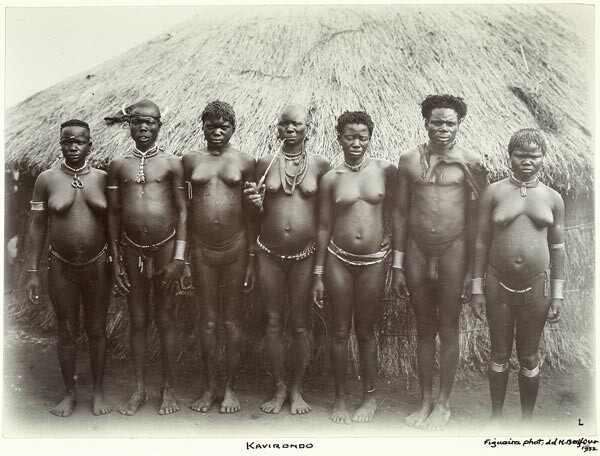
Aren’t Turkanas more closely related to Maasai, Somalis, Borans than to Sudanese Luos?
Maasai should Cushites.
Okuyus are Egytians
Aren’t Turkanas more closely related to Maasai, Somalis, Borans than to Sudanese Luos?
Maasai should Cushites.
Okuyus are Egytians
Okuyu ni birikimo ya Congo forest.
There are three types of nilotes. River nilotes, highlands, and the other one
were these classifications based more on language, physical features or DNA ?
Turkanas are more related to Pokot (northern plains nilotes).
Maasai related to samburu (plains nilotes).
Luos related to sudanese luo, uganda acholi (river lake nilotes)
Kikuyu related to chagga and taita (highland bantu - watu wa murima)
Luos are Dinkas
Kikuyus are from Ghana
Kambas are from Mozambique
Napma Jaruo wameanza kushi kwa kichwa yako bure
Turkana akikula fish ya lake atakaa kama jaruo
And we the luhyas are Caucasians
Luos are from north Africa and came along river Nile, Bantus (kambas, kisiis kikuyus, luhya…) came from Congo forest
Apart from @poyoloko , whose parents evolved directly from a mountain gorilla.
Very true. Turkanas who live around lake Turkana are stout and heavily built like the Jaruo
They were classified according to shared language, customs, bloodlines, body features, lifestyles etc
All nilotes shared a love for rearing cattle. They looked down upon their sedentary cousins who settled to till the land eg Kikuyu and kisii
Both didn’t circumcise until homa kubwa came calling
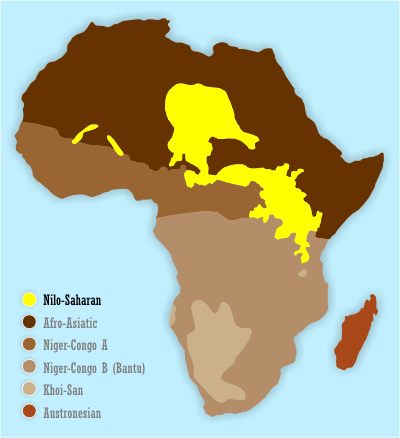
Turkanas and sudanese are all nilotes. But turkanas ate also related to neolithic inhabitants of southern ethiopia who are mostly Nilo-Saharan but they likely existed before nilo Saharans
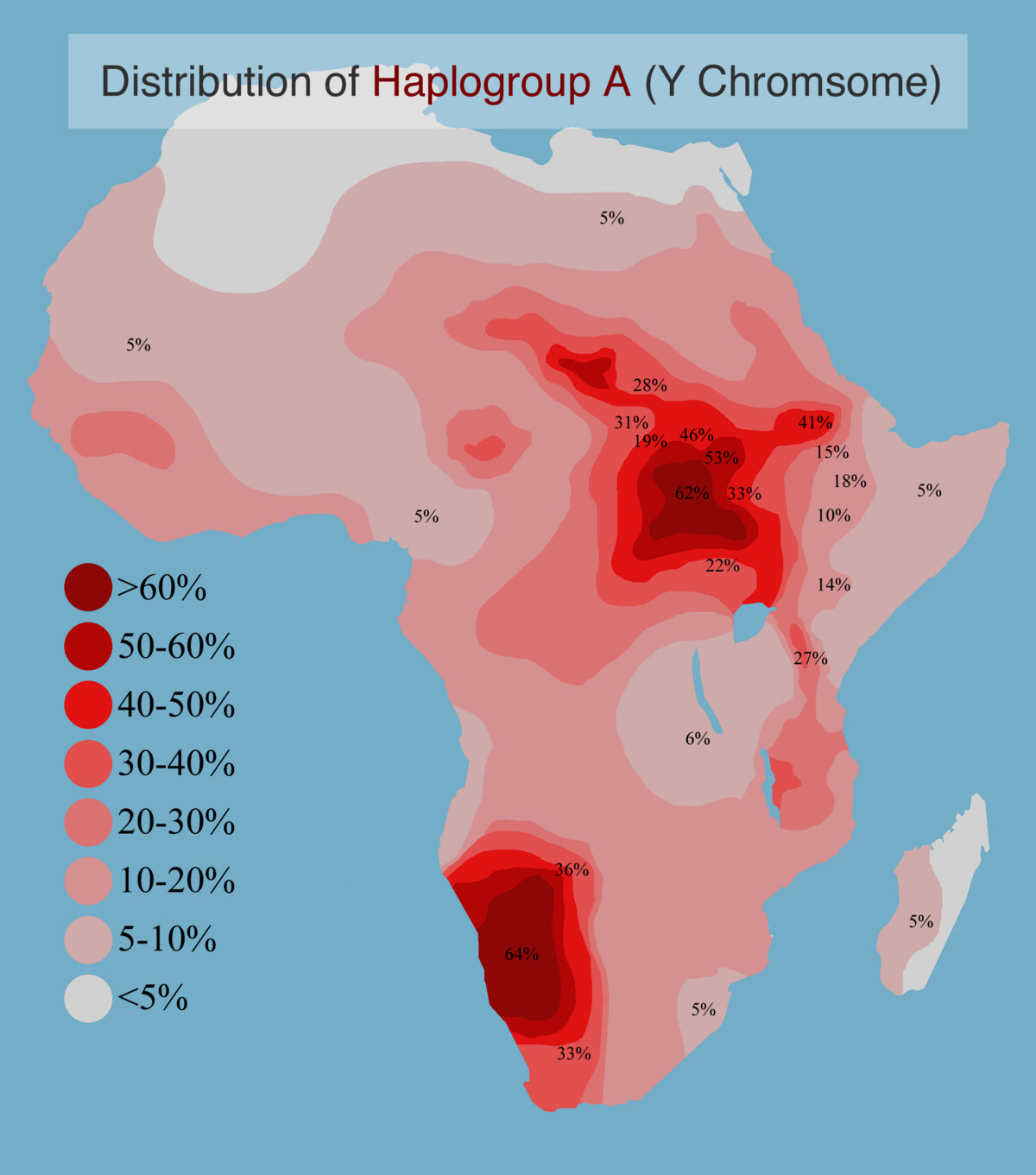
Kalahari Bushmen are a species of their own. They have been separated from the rest of humans for millenia deep in the Kalahari desert, they are like the animals of Australia. ENDEMIC species.
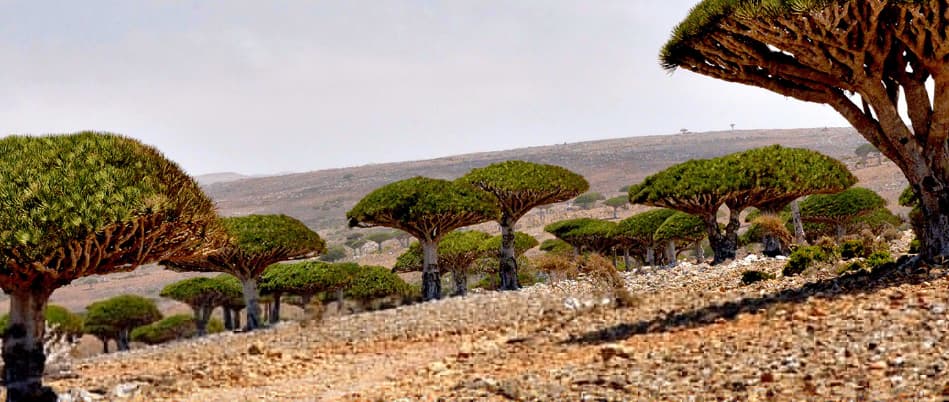
There is also another island between Africa and Asia near the Red Sea, Yemen, it has very strange trees and plants due to separation from mainlands for millenia. SOCOTRA ISLAND
Socotra Island xeric shrublands - Wikipedia(Rhynchostruthus