This past April, Toyota teased the bZ4X, the first of seven “Beyond Zero” fully electric vehicles the automaker said it would debut by 2025. Other than to reveal it was working with Subaru to develop the SUV and that it would include its upcoming e-TNGA powertrain, the company didn’t share many details about the bZ4X. On Friday, it changed that by unveiling the production version of the vehicle.
[ATTACH=full]394640[/ATTACH]
Toyota will offer the bZ4X in front-wheel-drive and all-wheel-drive variants. The former will feature a single 150 kW capable of accelerating the car from zero to 100 kilometers per hour in 8.4 seconds. Per the WLTC standard, the automaker claims the FWD model’s 71.4 kWh battery will allow it to travel approximately 500 kilometers or 310 miles on a single charge. Expect that estimate to decrease once the EPA tests the car. It’s also worth noting these measurements come from the Japanese model, which may end up featuring different specifications to whatever model(s) Toyota releases in the US.
Combination of Solar, Regenarative Brakes will give future EVs long range, Hydrocarbon engines and especially Diesels will be relegated to 3rd World cesspits of Africa, South America and South Asia
The 2030s will be a very fascinating decade;
Fossil fuels prices plummet due to low demand.
Africa will be the dumping ground for combustion engine vehicles and fossil fuels.
Middle East cities are likely to become ghosts as petrol dollars evaporate.
These countries which produce oil will becomes Shitholes.
It doesn’t matter anyway, all their investments will be held in these companies, they’ll move to control lithium mining and other battery related manufacturing services. Hiyo capital yote unafikiri itaenda wapi. Don’t expect any change, that’s how owners of capital operate. First it was coal production in the 1700s then they moved to whale oil harvesting in the 1800s, and then to petroleum, and now battery production and lithium mining.
Those countries will go back to being traders like they were before. For Dubai and surrounding cities wanajitatarisha through tourism as an alternative of oil revenue.
Last year november the share price was $400, alafu toyota is also a big investor in tesla :D. There’s obviously not a lot of demand for them because most countries don’t have the electrical infrastructure ya kucharge gari in the numbers of millions several times a day, alafu pia they’re not that cheap as compared to cars that use IC engines.
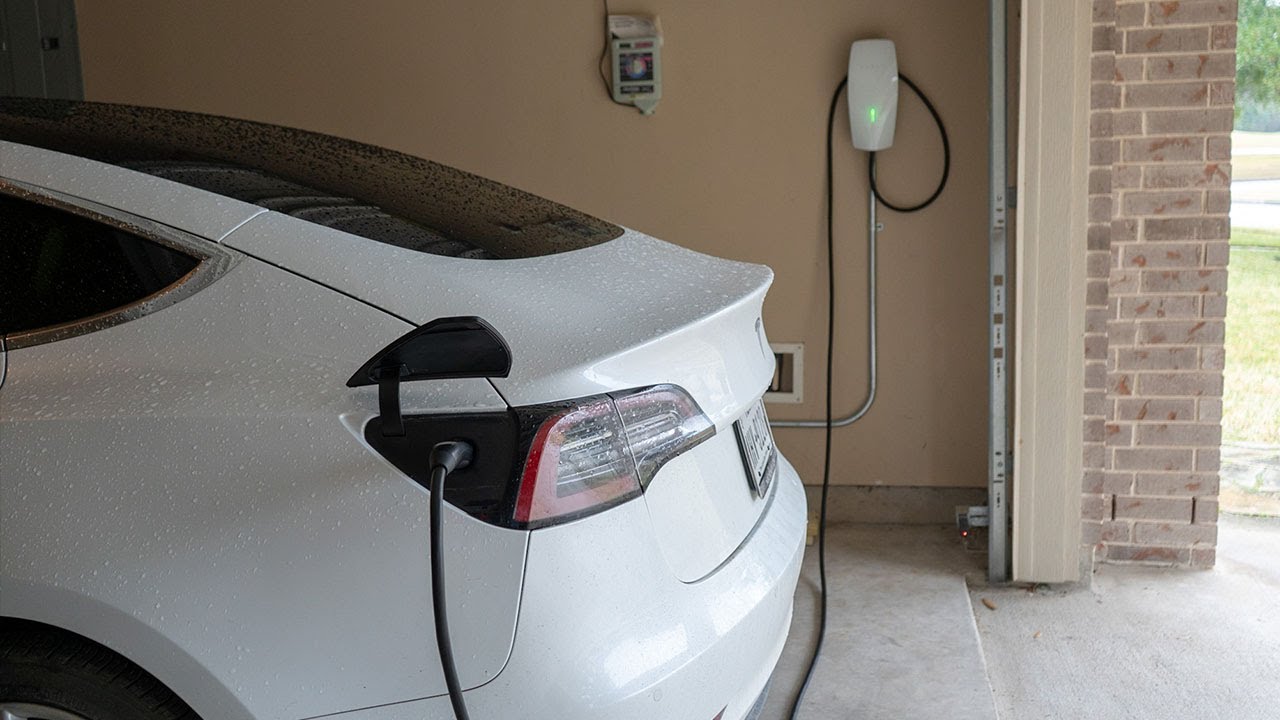
You just buy a tesla home charger just like you buy a phone charger, coz stima ni ile ile ya mains 240v.
Copied:
[SIZE=6]What does the Tesla home charger cost?[/SIZE]
Tesla vehicles have traditionally been charged using one of two methods. A 120-V adapter comes included with every Tesla, allowing the EV to be charged from home. But using a standard household outlet to charge your Tesla means it will most likely need to stay plugged in overnight to receive a full charge. Fast-charging stations are also available, but only in commercial settings. This means owners can get a charge in 20 minutes, just without the convenience of it being at home.
Owners of Teslas have had no in-between option for charging their vehicles, but Tesla’s latest Gen 3 Wall Connector is aimed to change that. The convenience of being able to charge your car at your own home quickly makes the price tag seem more reasonable to most. According to Tesla, the newest Gen 3 Wall Connector costs $500 and can charge a Tesla “up to 44 miles of range per hour.” Compatible with the Tesla Model S, Model 3, Model X, and Model Y, the Gen 3 uses a much larger 240-V adapter to put out a maximum of 48 amps.
Funniest joke I’ve heard in a while. Anyway before we go further these are Tesla’s largest shareholders .Saudi Arabia sold nearly all its Tesla shares and now holds a mere 39000 shares .
Saudi Arabia makes 181 billion dollars from oil sales each year and oil and gas are 50 % GDP .
Tuwache mogoka base facts prisss
[ATTACH=full]394711[/ATTACH]