Kwani unawaona wakiwa wajinga aje boss? Tz hapa wanafanta kazi safi at a fraction of what ours cost… heko kwao
I was just asking. Kelele ni ya nini? Si uhame huko permanently ghasia
Jamaa yupo na shida
He is right, stop being emotional.
I’ve tried finding the article but can’t see it, there was a technical document online that specifically analysed Kenyan sgr and tanzanian sgr.
Kenya uses Chinese standards, which is the world’s top standards currently while Tanzania uses American standard which are limited.
Kenyan sgr can carry heavier loads than tanzanian sgr, this Kenyan ports are likely to handle more cargo, evacuate more cargo inland.
Kenyan sgr is double stacked for cargo while tx isn’t.
While Kenyan sgr uses diesel, it can be electrified unlike tz which is purely electric.
Kenyan sgr is expensive compared to tz.
Your problem is that you write things without even doing research.
Kenya SGR has capacity of axle load of 25t
While Tanzania SGR has capacity of axle load of 35t
https://www.trc.co.tz/uploads/publications/sw1572527656-ESMMP%20SGR%20latest.pdf
Explanation
-
25T Axle Load: This means that each axle on the railway can bear a maximum weight of 25 metric tons. This typically implies lighter loads per train car, and thus, trains with a 25T axle load capacity may have a lower overall weight limit compared to those with a higher axle load.
-
35T Axle Load: Similarly, this indicates that each axle on the railway can support a maximum weight of 35 metric tons. Trains designed to operate with a 35T axle load can carry heavier loads per train car, leading to potentially larger cargo capacities per train and more efficient transportation of heavier goods.
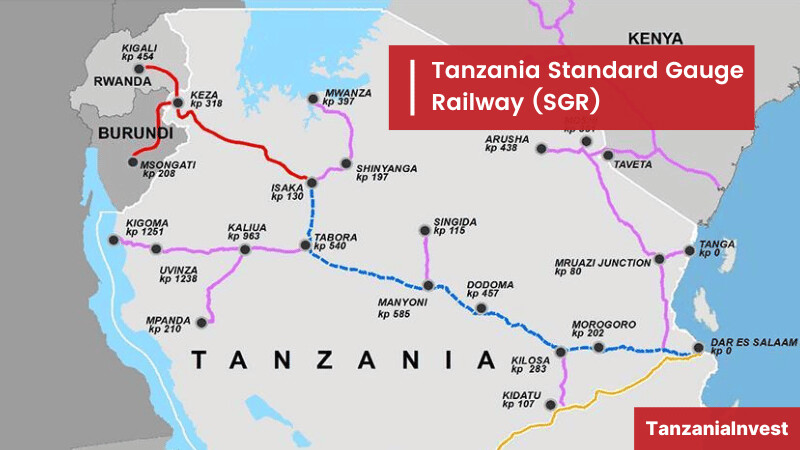
Imeanza ku stall already. Kumbe ilikua mtumba. Ati moneys caused the 2 hour delay
Kwawaida kwenye Testing. We still testing bado hatujaanza rasmi
mnaishi kwa giza na bado mnataka train to function efficiently