
…

Alfred Keter declares war with Ruto after he pushed for Sifuna’s ouster

…

…
Time to chart new party-Inject like Raila LDP from Ford Kenya
Not many people are familiar with Luo power struggles after the Patriarch dies. It’s why widows in this community have a land ownership rate of 2%.
This was a hit job. I’ve said it here on this platform several times before.
Moving on, we all know that Luo politics are just as lethal as the mafia guys with JM and countless others. Where do the firearms come from? Is it mercenaries like the Magaryan and Sagarsyan brothers?
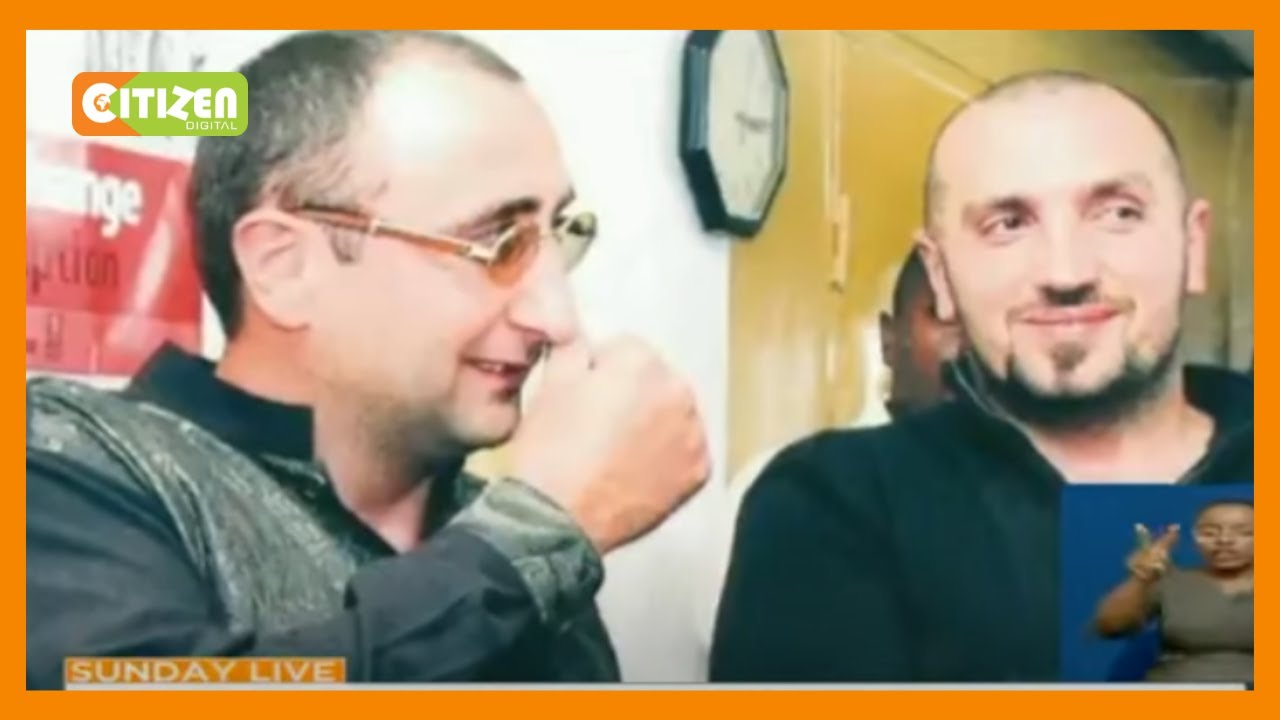
Do these people look like farmers?
The Arturs and The Nairobi Syndicate of 2006.. part 1
Police in Malindi stumbled upon a haul of cocaine so enormous 1.1 tonnes. A second stash emerged from an Embakasi godown, pushing detectives into a national panic . The prized narcotics were hurriedly airlifted by police chopper to a secret location guarded by GSU officers.
And into this boiling pot, the system dropped one man Erastus Chemorei, a disciplined, sharp-edged officer whose only mistake was being loyal enough to be trusted. The key to the cocaine room, was placed in his hands with the kind of instruction that sounded like honor but felt like a curse…" guard this with your life." The state meant it.
Meanwhile, detectives swooped into the Malindi homestead from which the drugs had crawled ashore. The tenants had vanished, leaving behind an Italian couple who insisted they were only homeowners, not hosts of a global narcotics convention. They were arrested anyway.
On1st January 2006, CID boss Joseph Kamau boarded a plane with a team of detectives, heading to Europe to unmask the syndicate. Spain, birthplace of the boat that ferried the cocaine to Malindi; Holland, where suspect George Kiragu had been arrested; and perhaps other European corners where coffee was served strong and cartel spoke softly.
Back home, police demanded a public trial, eager to parade their success like a national trophy. But the then DPP Philip Murgor stood up, adjusted his tie, and announced that he was “not impressed.” Something, he warned, smelled fishy. He complained that investigations were being conducted with a suspicious level of enthusiasm, the kind that suggested panic.
He was right.
Because on 19th February 2005, long before the Europe trip, the man holding the precious key the same Chemorei who had been warned to guard it with his life was surrounded at his Kitale home by a squad of approximately 50 police officers. An execution disguised as duty, a message delivered by gunfire. Whoever gave the order remained faceless, but the silence afterward revealed that the voice had come from very high places, where clouds gather but rain rarely reaches the ground.
And as we were still digesting the shock, the drama continued. On 23rd May 2005, Philip Murgor, the man who had raised the alarm, was fired live on TV, in full public glare after dropping charges against Tom Cholmondeley, the great-grandson of Lord Delamere, who had shot a KWS officer on his ranch.
What looked like a routine firing of a government officer quickly revealed itself to be a masterclass in state-sponsored acrobatics. Two days after being kicked out on live television, former DPP Philip Murgor stepped forward and calmly exposed what the public already suspected but feared to voice.. he had been fired not for incompetence, but for daring to complain about powerful individuals tampering with the cocaine case.
According to Murgor, a group of individuals had been granted the lucrative responsibility of allowing the safe passage of the cocaine through Kenya before it continued on to Europe. But someone in this delicate relay team stumbled, fumbled, or got drunk on their own greed. Now, instead of accepting failure like decent criminals, they were scrambling to correct their blunder and naturally, this required teaming up with top government officials who understood the meaning of “national interest” in a very flexible manner.
And of course, KSh 6 billion is not loose change you allow to go up in smoke just because police found it earlier than scheduled. So the Akasha clan, custodians of global narcotic logistics, reached out to individuals whose signatures could open gates, close cases, or make evidence evaporate.
Thus emerged the Plan the bold, theatrical, and treasonous in equal measure:
Extract the drugs from police custody.
Retrieve the 1.1 tonnes from the state’s iron grip.Rewrite failure into profit, rewrite embarrassment into dominance and rewrite law into a polite suggestion.
The cast was star-studded..
Security CS Chris Murungaru, guardian of national safety by day, patron saint of whispered scandals by night. Stanley Murage, Kibaki’s Permanent Secretary and State House special advisor, living a few steps from the power switch. Mary Wambui, the president’s controversial companion, whose presence in any story changed the lighting and soundtrack instantly.
With this kind of lineup, even illegal sugar could have crossed borders unchallenged let alone cocaine worth billions.
But Murgor’s public claims triggered an international echo. On 22nd June 2005, the United Nations raised its eyebrows so high they almost touched their blue helmets. They questioned the quality of the investigations, offered assistance, and attempted to step into the murky waters. Kenyan authorities smiled, thanked them for the concern, and firmly declined, the way a magician declines to reveal the trick behind a disappearing act.
By mid-August, Nairobi streets were humming with rumors that the seized cocaine was quietly being reintroduced into the market ..yes, not destroyed, not secured, but resold. The police boss panicked enough to reassure the public, then immediately acted suspiciously by blocking MPs from inspecting the storage facility, confirming to everyone that reassurance is also warning .
Meanwhile, far from flashing cameras, on 15th September 2005, former cop Richard Nerima accepted a job as personal driver to influential businessman Raju Sanghani. The poor man didn’t know that he was stepping into a screenplay whose genre alternated between crime and political horror.
Still in September, the plot drifted to international waters. Mary Wambui, accompanied by her daughter Winnie, a Foreign Affairs officer, flew to Dubai for a holiday, the kind of holiday where business, pleasure, and national security exchange phone numbers.
There, under the artificial Arabian sun, they met Kamlesh Pattni, brother Paul, a man who could smell opportunity before it was born. With the ease of a veteran networker, Pattni introduced the duo to the Artur Brothers two mysterious foreign operatives whose resumes read like chapters from a banned book: mercenaries, businessmen, smugglers, security consultants, and connoisseurs of chaos.
And as they discussed the blueprint of the cocaine extraction, something unexpected happened the president’s daughter fell in love with one of the Arturs, binding state affairs, organized crime, and romance into one thick, flammable rope.
The Arturs and Nairobi Syndicate part 2
Nairobi received it’s blessings.The miracles arrived wearing designer sunglasses and holding foreign passports. The plan, as whispered in expensive restaurants and coded phone calls, was elegant … bring the Artur brothers into Kenya as investors, men of capital and vision, who would graciously assist the nation by doubling as security consultants hired to set up and train an elite anti-narcotics unit.
This “elite unit” conveniently gave them direct access to the KSh 6 billion cocaine haul, the real project behind the patriotic move. What better way to steal evidence than by being officially assigned to protect it?
And so the curtain lifted.
On 10th November 2005, Artur Margaryan touched down in Nairobi, arriving under the formal invitation of businessman Raju Sanghani a tycoon whose network stretched from Nairobi’s estates to Dubai’s glittering corridors. Artur proceeded straight to Kamlesh Pattni’s Grand Regency Hotel, settling into the Presidential Suite where luxury met secrecy.
The next day, Raju instructed his trusted driver, former cop Richard to pick Artur and give him a guided tour of Nairobi. Show him restaurants, associates, and the shadows that money casts.
On 12th November 2005, Richard arrived in Bakhtash Akasha’s limousine, a vehicle that shouted wealth . He took Artur to dinner at the Highridge residence of Ali where deals marinated alongside pilau and secrets.For the next week, Richards new full-time job was Artur Margaryan. He chauffeured him between the homes and businesses of Nairobi’s underground aristocracy
After the meetings, Richard always drove Artur back to the Grand Regency, where the Armenian would host his lover Winnie in the company of CID boss the man whose presence confirmed that this operation was a state-engineered surgical strike. In those rooms, beneath the chandelier light and soft hotel carpets, they plotted the next phase of the mission. The extraction would be clean, fast, and deniable. All they needed was the right paperwork.
On 15th November 2005, having learned Nairobi like the back of his trigger finger, Artur flew to London. Before leaving, he instructed his Kenyan hosts to establish a company that would provide a corporate mask for their activities. And on 1st December 2005, the mask was created. Once the message reached Dubai, the brothers wasted no more time.
On 13th December 2005, our bling-bling duo Artur Margaryan and Artur Sargasyan
landed at JKIA, dressed like men who had never heard of fear. They walked through the airport with the confidence and the arrogance of mercenaries who knew their mission was blessed by people who signed Cabinet papers.
From JKIA they headed straight back to the Grand Regency Presidential Suite, a headquarters, and settled in to await final instructions from their handlers.Two days later Artur Sargasyan walked into KRA and applied for a PIN. The land where paperwork takes months unless destiny is involved handed him without raising eyebrow.The PIN unlocked the next gate: the registration of another company, a more polished front.
But companies alone don’t extract cocaine from police custody. They needed firepower.So the Arturs upgraded their operation to criminal theatre. They ambushed two Presidential Escort officers , not regular police, not traffic cops, but the elite carriers of State House blood while they were driving a Toyota Lexus along Waiyaki Way.
The Arturs kidnapped the officers and robbed them of. A Ceska pistol, A Sig Sauer pistol and 30 rounds of ammunition ready to rewrite Nairobi’s evening news. The white Lexus used in the kidnapping belonged to Mary the president’s longtime companion With weapons secured and humiliation complete, the brothers felt invincible. They walked around Nairobi like men who knew they belonged to someone untouchable.
Then, on 18th January 2006, the two submitted their work permit applications and in a miracle previously unseen in Kenya, the permits were approved the same day after their “316 files” were reviewed and stamped like national emergencies. Chairing that approval meeting was Evelyne an Immigration Director known for efficiency but never this level of efficiency.
The Arturs had attached an Emirates Bank statement showing they allegedly intended to “invest” in Kenya.This tiny appetizer of cash opened all doors. Now they could transact business openly.
But their confidence soon attracted the attention of people whose job was to smell trouble in its early stages. By mid-February 2006, the National Intelligence Service (NIS) received reports that the Arturs were attempting to install CCTV cameras inside their presidential suite at the Grand Regency Hotel. That was no longer investor behavior. That was cartel behavior.
NIS dug deeper. What they found made the room go silent..The Arturs had no legitimate business anywhere in Dubai, were known international conmen, and had in fact been deported from UAE in 1994 for trying to bribe a policeman. These were not investors. These were mercenaries with extra arrogance and no country of origin willing to claim them.
This discovery triggered an emergency meeting inside the Presidential Suite .A meeting where fear and strategy take equal seats at the table. They needed relocation before curious neighbors or patriotic officers ruined everything.Mary suggested a house in Lavington, close to the Cuban Embassy, but the brothers rejected it as “too exposed,” a phrase that would later age like prophecy.
They preferred a suggestion by Raju , a secluded Runda residence where their activities could flourish away from watchful eyes. And so they rented House on Glory Road, off Runda Grove.It was here, away from the structured elegance of Grand Regency, that their true nature emerged.
Runda became their kingdom.
Every Friday night, the brothers hosted parties so wild the walls themselves were unsure whether to support the roof or file a report. Celebrities trooped in. Journalists from multiple stations arrived to eat barbecue, drink imported liquor, and witness the kind of excess Nairobi hadn’t seen since the Goldenberg years.
The Arturs partied as if the Republic belonged to them and for a moment, it almost did.

Nairobi Senator Edwin Sifuna can breathe a sigh of relief after the High Court stopped his removal as the Orange Democratic Movement (ODM) party Secretary General.
In its ruling delivered on Thursday, February 12, the Political Parties Disputes Tribunal ordered the immediate suspension of the gazettement of Sifuna’s ouster pending the hearing and determination of the matter.
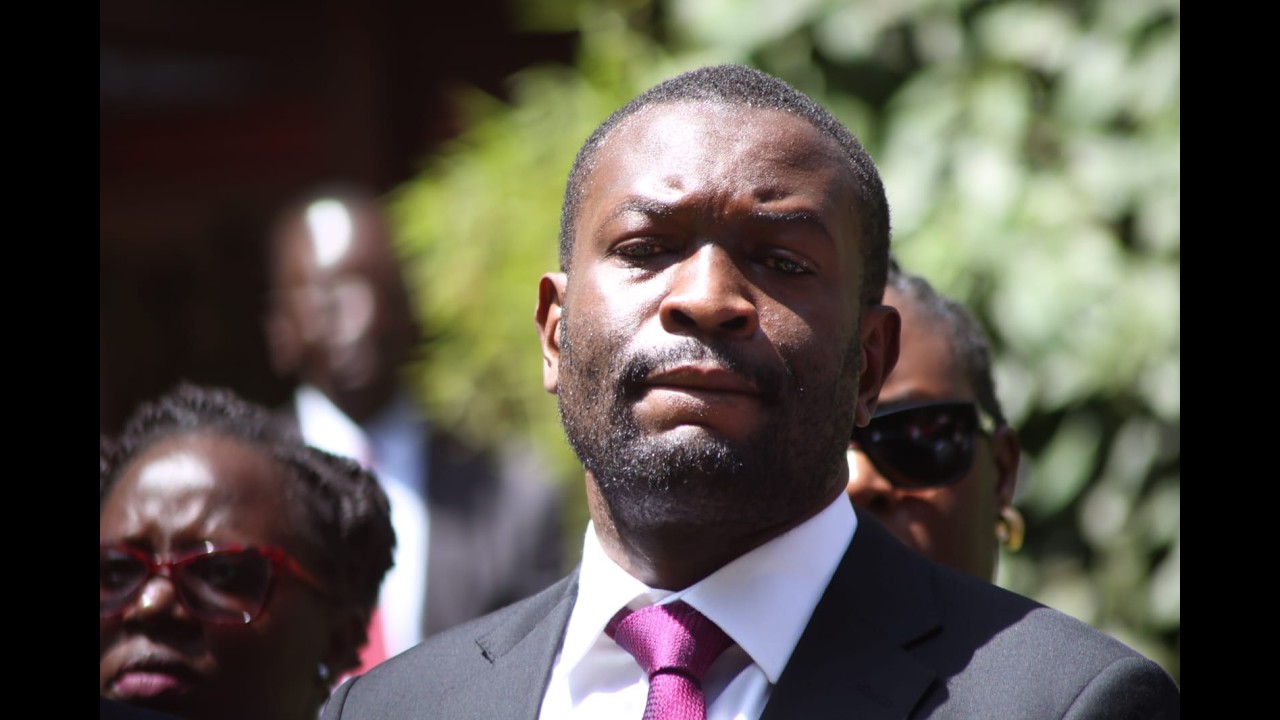
“That pending the hearing and determination of this instant application, inter partes, this honourable tribunal hereby issues orders staying the implementation of the Resolution made by the National Executive Committee of the Orange Democratic Movement Party,” the court ruled.
“That pending the hearing and determination of this instant application, inter portes, this honourable tribunal hereby issues an order restraining the respondents from publishing in the Kenya gazette the resolution made on February 11, 2026 remove Edwin Sifuna as the Secretary General of the Party,” it added.
https://x.com/i/status/2021871057305555245
The court further set the mention of the petition filed against the ODM party and the Office of the Registrar of Political Parties (ORPP) for February 26, this year.
The court’s pronouncement comes hours after the Nairobi lawmaker filed a petition challenging yesterday’s decision by the ODM’s National Executive Committee (NEC) to remove him from his party position.
While addressing the press earlier today, the legislator launched a counterattack against the party’s leadership, terming the move to dismiss him as unlawful and vowing to challenge it in court.
“I have taken note of the announcement made by a section of the ODM National Executive Committee in Mombasa yesterday purporting to remove me from the position of secretary general of ODM,” he stated.
“Let me state without fear of contradiction that this action is unlawful, unprocedural and a blatant violation of the ODM constitution as well as the principles of natural justice,” Sifuna affirmed.
He further claimed that the removal was a witch hunt for not supporting President William Ruto’s leadership, and nothing lawfully warrants his removal from the role he has held for over nine years.
“My only crime is that I have refused and opposed any plans and schemes within the party to support President William Ruto’s re-election because I have held the firm position that this country cannot afford another five years of divisive misadventures,” the legislator noted.
The latest developments come a day after ODM’s NEC resolved to remove Sifuna from the party secretary general position with immediate effect and replace him with Busia Woman Representative Catherine Omanyo.
The NEC, chaired by ODM party leader Oburu Odinga, cited concerns about discipline and leadership conduct raised against Sifuna, with Omanyo appointed to serve in an acting capacity pending the election of a substantive officeholder.
“The National Executive Council (NEC) expressed concern over rising levels of indiscipline within the party, especially within senior leadership positions,” a statement from ODM’s NEC read.
“Having deliberated on matters relating to the conduct of Secretary General Edwin Sifuna, the NEC resolved to remove him from office effective immediately,” it added.
The Usual Kenya Political Games:
The ODM party leader, Oburu Odinga, has held a meeting with the DCP party leader, Riggy G anf Wiper party leader Kalonzo Musioka at Senator Agnes Kavindu’s home, as they condole with the family for the loss of her son.
This latest encounter appears to be another chapter in the long-standing political drama associated with the Orange Democratic Movement, sparking immediate speculation regarding the nature of their dialogue.
Given the influence of the three figures, the secrecy surrounding their rendezvous suggests a strategic realignment or the brokering of a fresh political deal behind closed doors.
Observers of the Kenyan political landscape will recognise this as a familiar manoeuvre, where high-stakes discussions are often cloaked in mystery until a formal announcement serves to shift the national narrative.
While the specific details of the conversation remain suppressed, the mere fact that these three leaders have sat down together indicates that significant organisational shifts may be on the horizon.
As the public awaits further clarity, the rumour mill continues to churn, highlighting the persistent flair for the dramatic that defines such high-profile partisan engagements..
And, don’t forget the on-going rumors Rigi G and Ruto are only playing games with Kenyans while intending to re-unite in 2027.
At the same time, Uhuru is rumored to be the one wrecking ODM by reviving Azimio…
street vibes


