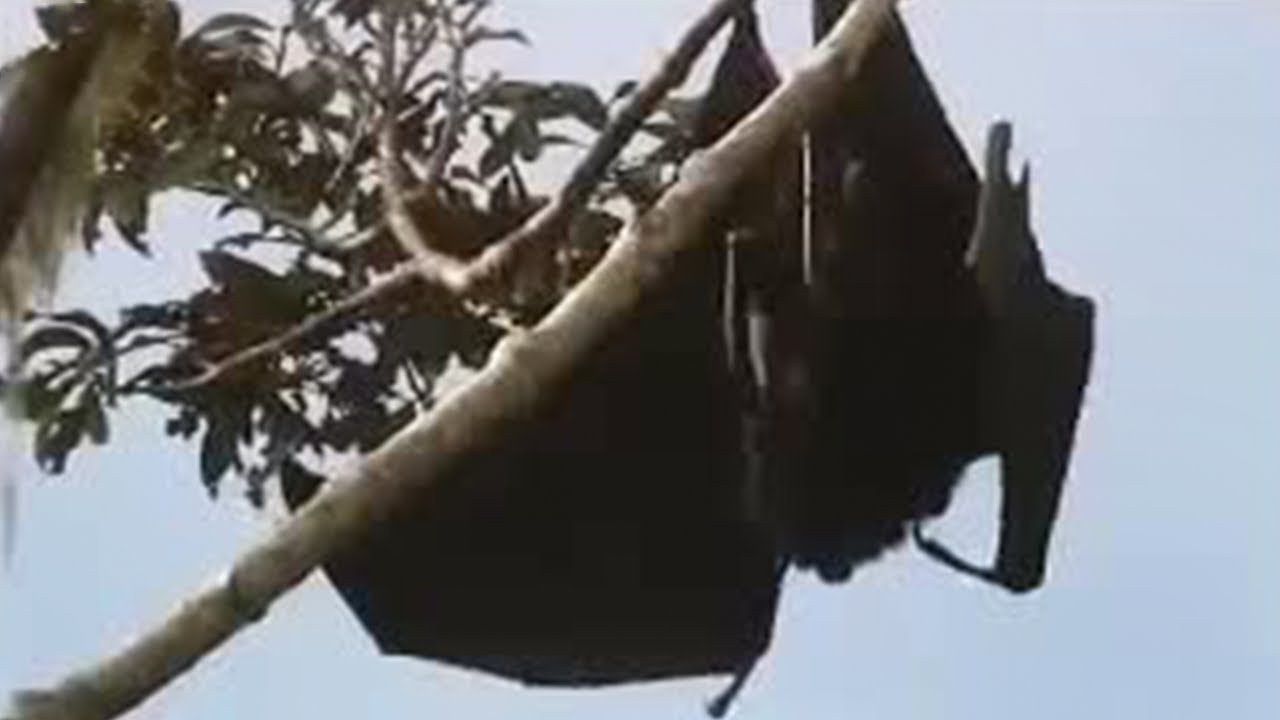
The huge concentration of bats near Mbale town (just after Stendikisa, Chavakali) is due to colonies of straw-coloured fruit bats (Eidolon helvum), which are well-documented in Vihiga County. Researchers monitoring these colonies note several ecological and human-related factors:
Why They Concentrate There
Roosting Habitat
The bats prefer tall plantation trees like eucalyptus and cypress, which are common in Mbale A and Mbale B. These trees provide shade, height, and branching structures ideal for large roosts.
Food Availability
The surrounding farms and homesteads provide abundant fruit and flowering plants. This makes the area a reliable feeding ground.
Migration Routes
Eidolon helvum is migratory across Africa. Western Kenya lies along their seasonal movement corridor, so colonies swell during certain times of the year.
Established Colonies
Once bats establish a roost, they return annually. Over time, this leads to very dense populations in specific spots like Mbale.
Local Impact
Challenges for Residents
Locals often complain about noise, droppings, bad smell (especially after rain), and damage to trees and crops.
Ecological Benefits
Despite the nuisance, the bats play a crucial role in seed dispersal and pollination, helping regenerate forests and sustain biodiversity.
Bruh, I passed through that place and for the first time I understood Batman. Those things make crazy noise like a rabid @Straw_man? And incidentally, bats also spread rabies.
Bites on humans are rare since bats use echolocation to ‘see’. But there’s random incidents if the bat is startled by for example a flashlight.. then it goes straight into your shoulder length hair and gets stuck for 20 years.