For a sustainable future, it’s widely accepted that the global population needs to move away from fossil fuels. While electric looks to be a suitably green alternative, it comes with one major flaw: there just aren’t enough metals to make the shift

What if we could access the metals needed to make batteries some other way? One possible alternative is to move mining to the deep sea, where precious nodules known as manganese tubers can be found laying on the seabed as loosely as pebbles on the sand.
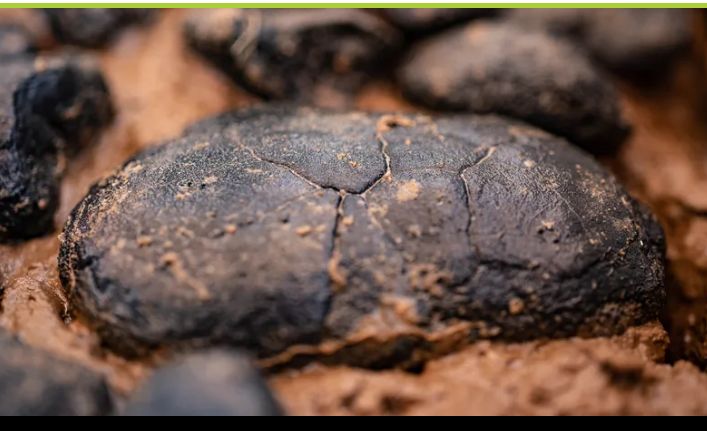
90 percent of the world’s exploration contracts for nodules are in the Clarion-Clipperton Zone, which represent less than half of 1 percent of the global seafloor,” TMC PR and Media Manager Rory Usher told IFLScience. “But this represents the largest source of manganese, nickel, and cobalt, anywhere on the planet and that dwarfs everything on land by many orders of magnitude. There are enough metals in situ at two of the sites that would satisfy the needs of 280 million cars,
4,000 Meters Below The Sea Lies The Planet's Largest Source Of Battery Metals | IFLScience