These are all scholarly theories by people who study linguistics. I don’t know which is true, but what is clear is that cultures and languages are not static, they are ever merging witj others and changing through generations. A lot could has obviously changed over the years since original dialect was spoken, blurring a lot of features which would have made Swahili to stand out as an independent culture, with a distinct unadulterated language. Wasomi wa lugha labda wanajua zaidi.
It’s swahili with french flavor while kenyan swahili has english flavor. For instance, they will say buku buku to mean many while in english swahili we might say mingi
IT did not come out due to intermarriage. Swahili existed before so called arabs, and existed long after they left. The arabs only added an accent to the language but they did not create the language. 99% of swahili words have a bantu origin with only 1% having an arabic origin
4 Likes
A Bantu origin does seem logical, esp when we examine the syntax
1 Like
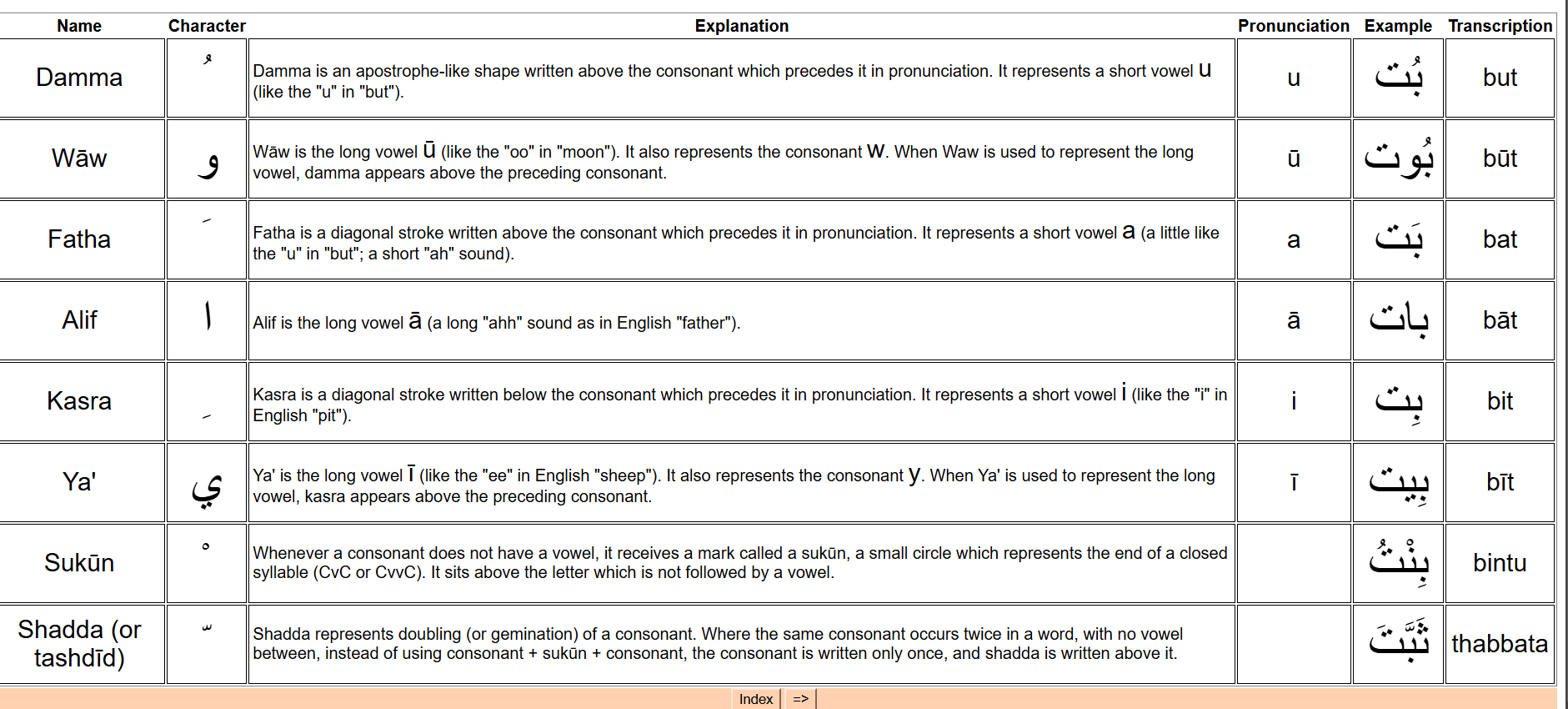
the syntax is quite clear. First of all HALF of the vowels that exist in arabic do not exist in swahili. If it was arabic, then one would expect bsic sonds like vcowels would have been integrated. But in reality, a zulu speaker can understand about 40% of the words in swahili, which proves recent origin like all bantu languages
4 Likes
But what of the people? Who is a Swahili person, as distinct from other groups like Mijikenda?
a swahili person is someone who speaks swahili. As a french person is someone who speaks french. Thus, everyone from congo to kenya is a swahili. There is no distinct person called swahili, it’s a name for people who speak swahili. All the arabized bantus in lamu and along the kenyan coast belong to their own tribes. The arabized bantus all have a common origin, which is pokomo. Today, we say pokomo are a small tribes but in reality, the pokomo integrated the arab traders just like we have muzungu who come to kenya, gewt stuck, and have children, those children are blacks with white genes
1 Like
Mswahili is also a derogetory term for a crafty person, like @Yuletapeli . That also includes @Billy_Drago , no wonder haeleweki😆
3 Likes
Watch this folklore song by Wenge Musica. Swahili is an ancient ethnic group in Congo. A major tribe. Not just an acquired language group.
English is spoken throughout the whole world currently. Who were the original speakers of English?
Anglo saxons
Here’s a really good thread for those who still think Swahili came from Arabs
1 Like
I honestly think there was a distinct Swahili tribe, that got integrated into other coast tribes.
1 Like
there was no distinct swahili tribe. The swahili spoken in schools does not exsit anywhere outside books. It was a scholary creation by university professors who most had an islamic background. It was created as a standard with standard rules, and not as an existing language spoken by any tribe. The closest it can get is a dialect of a bantu language spoken by one of the many bantu tribelets along the EA coast
1 Like
The one in Kenyan schools or Tanzanian schools? Those two are different?
it started off as a standadized language for east africa after colonialism during the East African Commuity when it dissolved the standards diverged.
1 Like
The question I have is the following. That Swahili they teach aligns to western Kenya Bantu. Its very close to Luhya, Kisii, kuria, Meru. Notice those tribes have little difficulty speaking Swa. However, when we go to places where people like Aisha Jumwa aspeaking swa, we float ile mbaya.
Why did they chose western Bantu and not closer to swa for coasterians or Tanzanians?
1 Like
It’s not western bantu. Swahili is a bantu origin language which makes it easy for any bantu speaker to adapt. Basically like Spanish and Portuguese and Italian. While the three are different they’re all roman languages originating from latin, so an Italian would have it easier learning Portuguese than japanese even if they’ve never spoke Portuguese before
Same thing luya is a bantu language. Learning it is easy since it’s the same family of languages. Meanwhile a luo from kodieo who has only heard kijaruo will have a hard time speaking swahili since they’re a Nilotic language. Luyas who have never heard swahili will have an easier time adapting it.
Swahili in the coast just has an ACCENT. If you spend a few months there you’ll adapt quite fast to the ACCENT. It’s why 60% of Coastal people are kambas in disguise since adapting a bantu language is easy. Meanwhile a luo will still struggle even in the second generation since it’s not the same language group.
Nairobi “sheng” is just jaruos changing swahili to words they can comprehend. That’s why most sheng words come from the slams
1 Like
it was years after secondary school that I first came upon this argument. I think it is credible.
apparently the language is called Kingozi and the people Wangozi. if I am not wrong, wahil means coast in arabic. sa’wahil - people of the coast. so apparently when the omanis went back home from their expeditions they told of the sawahil. the word morphed to swahili which we know of today.
what is not in doubt is that swahili is a bantu language.
but what do i know?
3 Likes
muswahili can also refer to a MuWanga 
1 Like