…
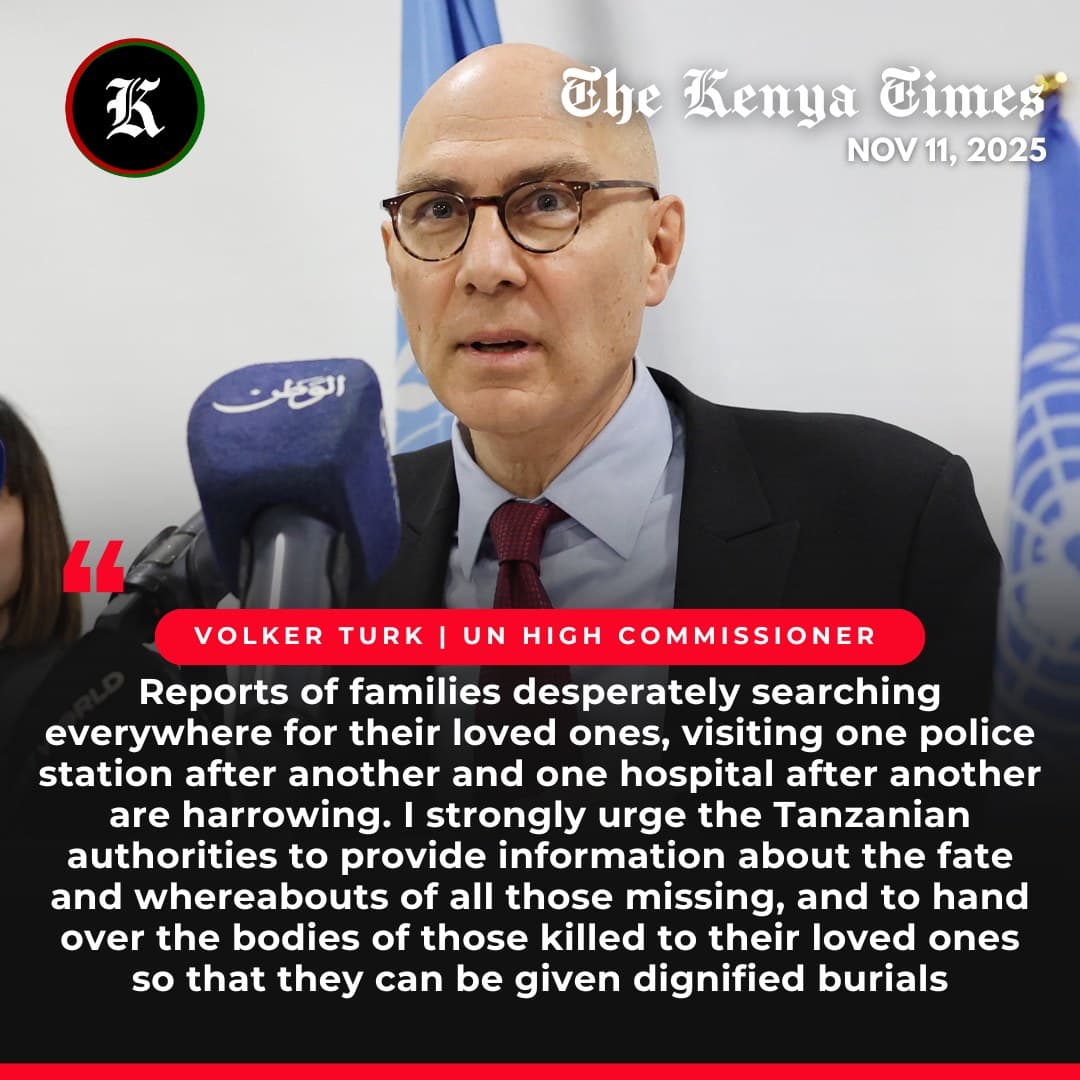
The United Nations High Commissioner for Human Rights, Volker Türk, has called for an investigation into the killings and other human rights violations committed during the October 29 elections in Tanzania.
…
The United Nations High Commissioner for Human Rights, Volker Türk, has called for an investigation into the killings and other human rights violations committed during the October 29 elections in Tanzania.
Kundudwellers bhana. Kwikwikwikwikwikwiwi
Basillioh Rukanga
Tanzania has cancelled next month’s independence day celebrations, with the funds to be instead spent on rebuilding infrastructure damaged in recent election unrest, Prime Minister Mwigulu Nchemba has said.
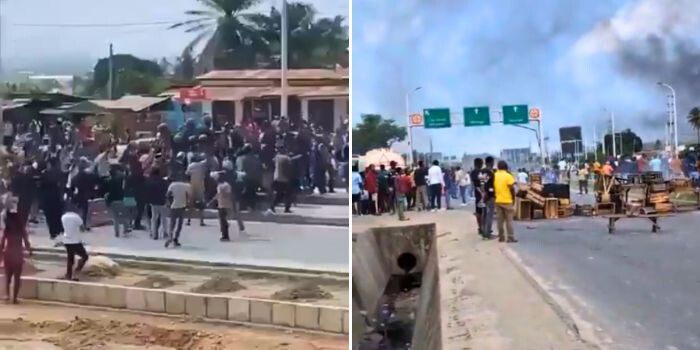
His announcement comes as the opposition and others have been calling for people to gather on independence day - 9 December - to demonstrate about killings that took place following last month’s disputed poll.
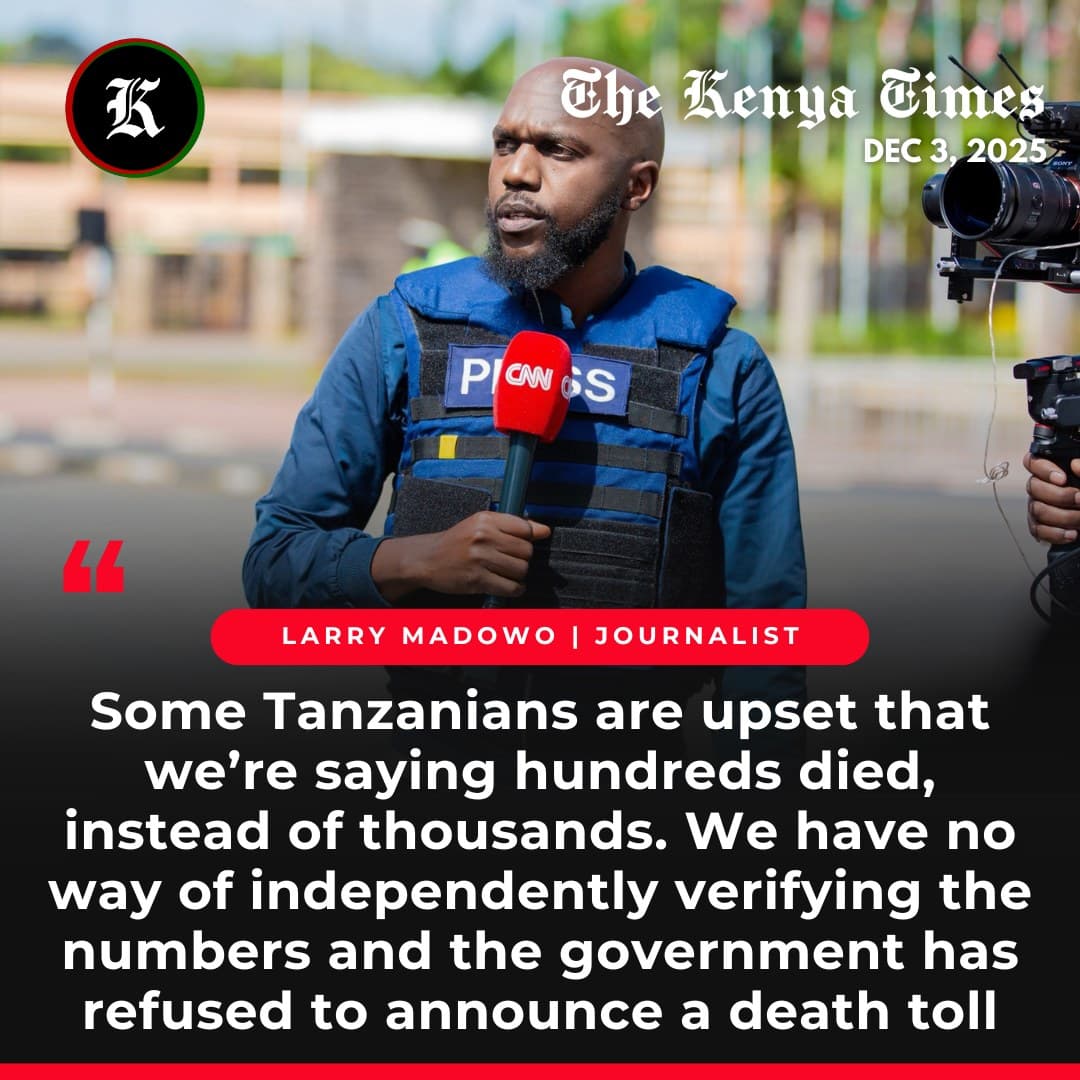
The opposition believes hundreds of people died in the crackdown. The government has yet to give a death toll and has set up commission of inquiry.
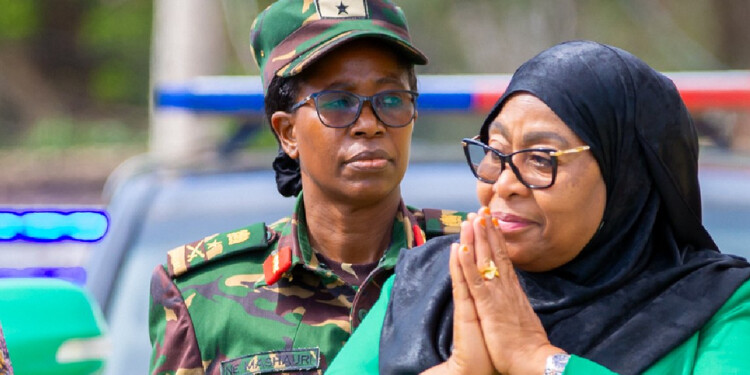
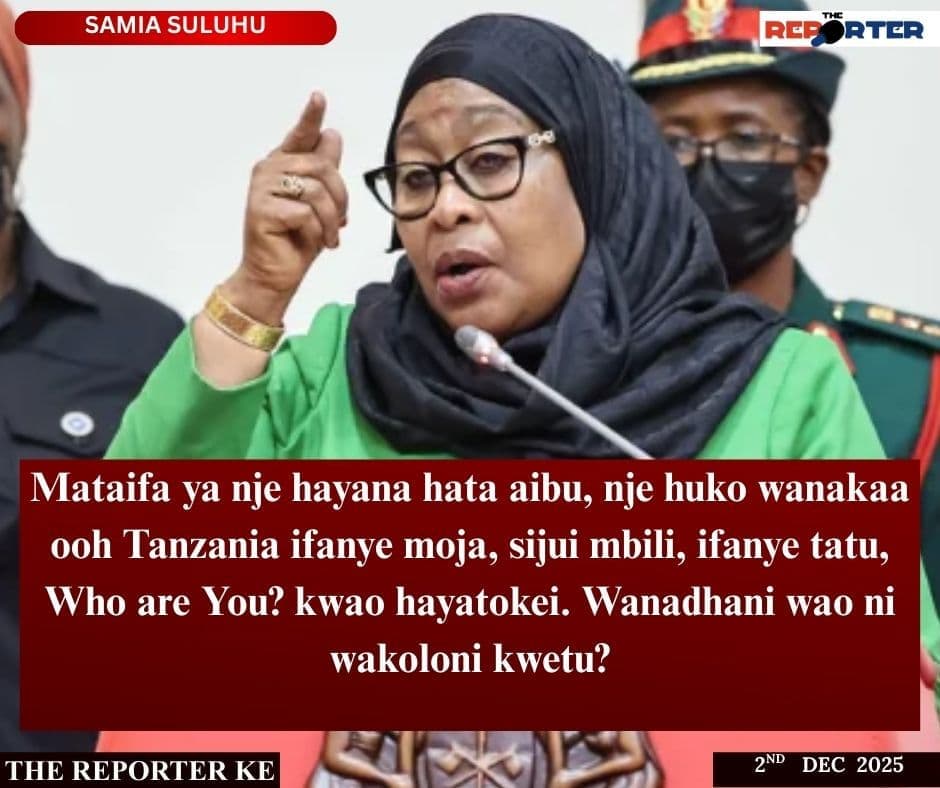
President Samia Suluhu Hassan won the poll with 98% of the vote, described by the opposition as a “mockery of democracy”.
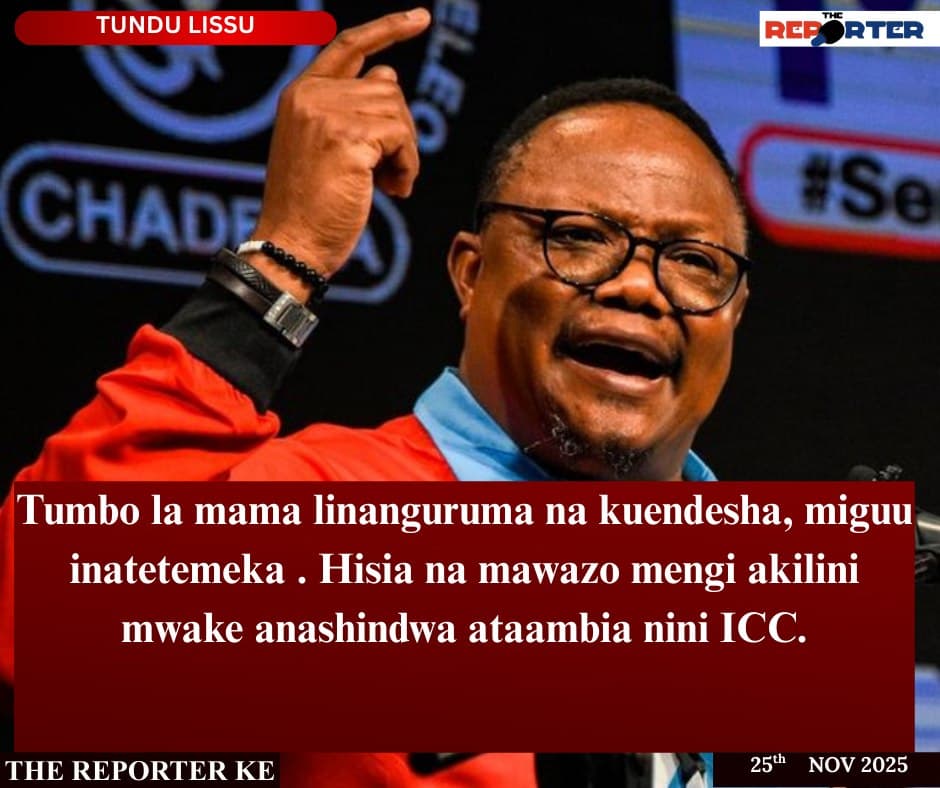
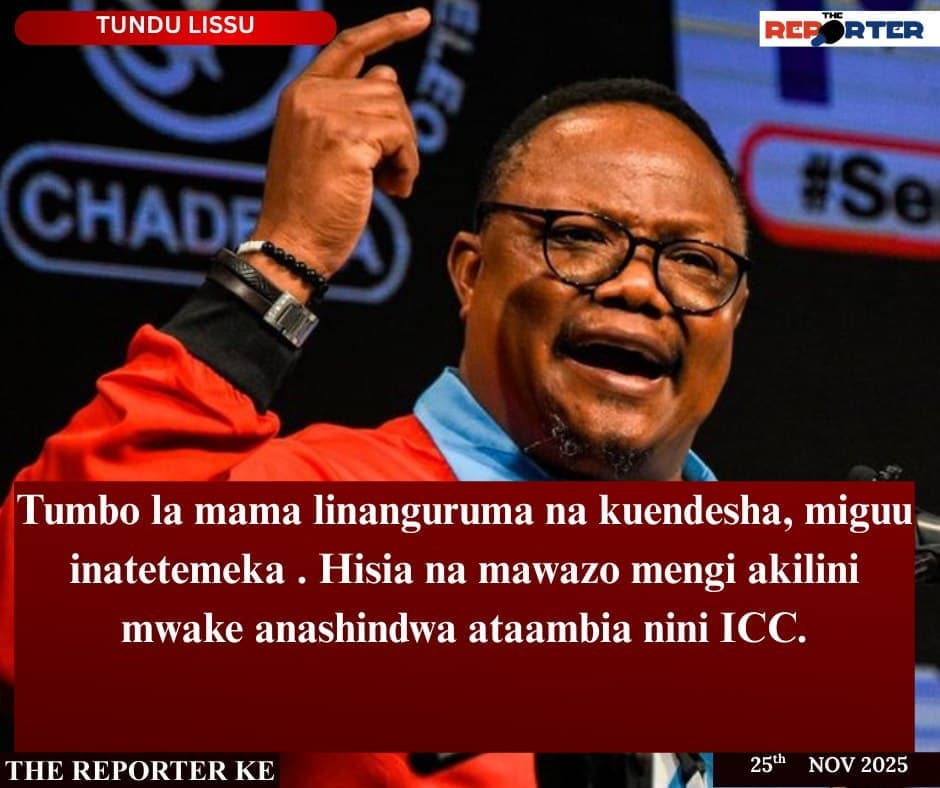
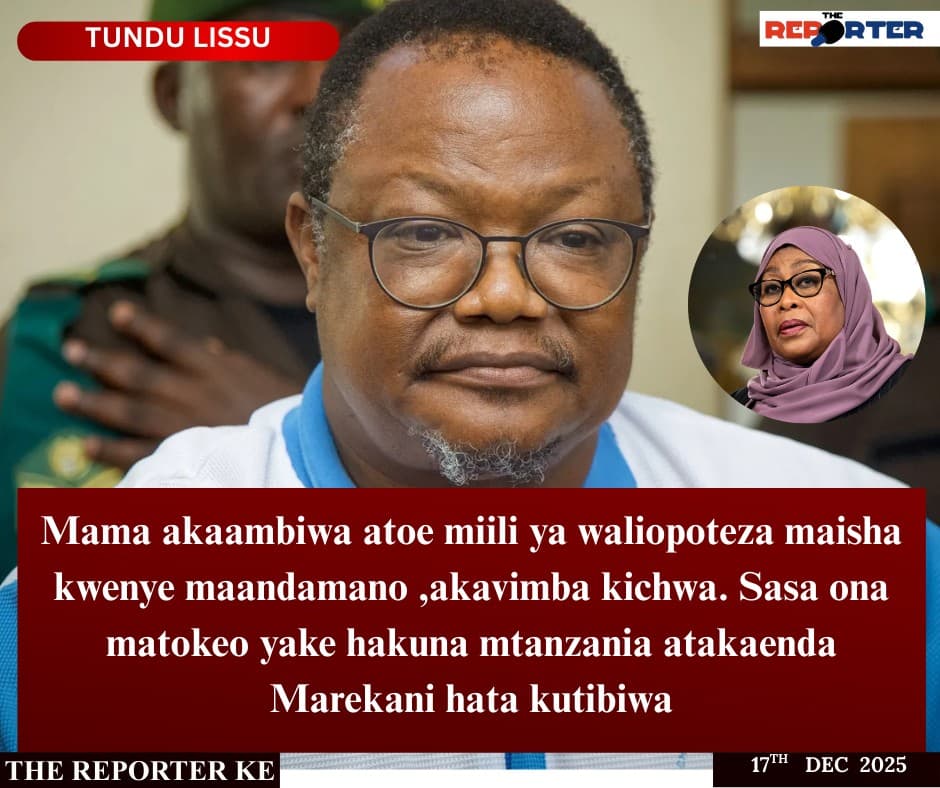
Her key opponents were unable to contest the poll: Tundu Lissu has been in detention on treason charges, which he denies, while Luhaga Mpina’s candidacy was rejected on technical grounds.
Election observers have since reported signs that the vote was manipulated and fell short of democratic standards.
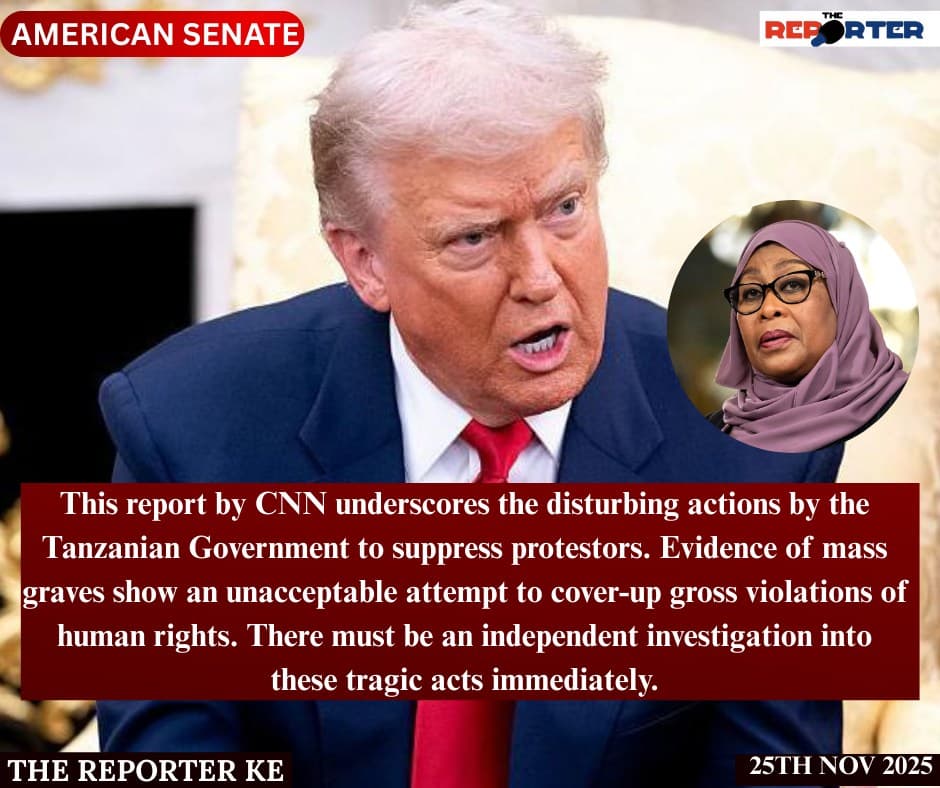
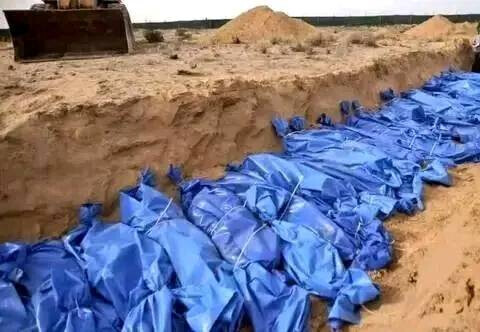
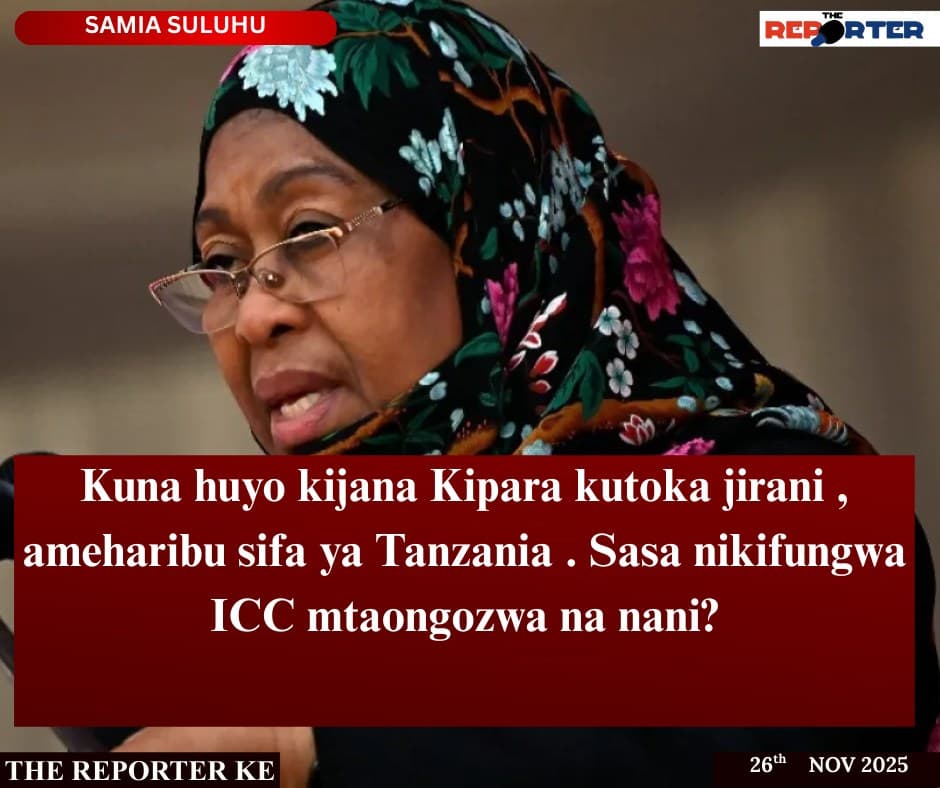
An international coalition of lawyers and human rights groups has now formally asked the International Criminal Court (ICC) to investigate President Samia and her government for crimes against humanity allegedly committed during the unrest, including mass killings and the secret disposal of more than 500 bodies.
The 82-page document was formally submitted to the ICC’s Office of the Prosecutor on 13 November but was only been made public on Tuesday.
The government had imposed an internet blackout for five days from the 29 October election day and threatened anyone sharing photos from the protests.
Gruesome images and videos of dead Tanzanians have since been widely shared online, with international media verifying some of the graphic footage as authentic.
However, the government has criticised their portrayal as aimed at tarnishing the country’s image, insisting the country is safe.
On Sunday, the government spokesman Gerson Msigwa said the commission of inquiry would shed light into what happened. However, groups have raised concern over the independence of the commission.
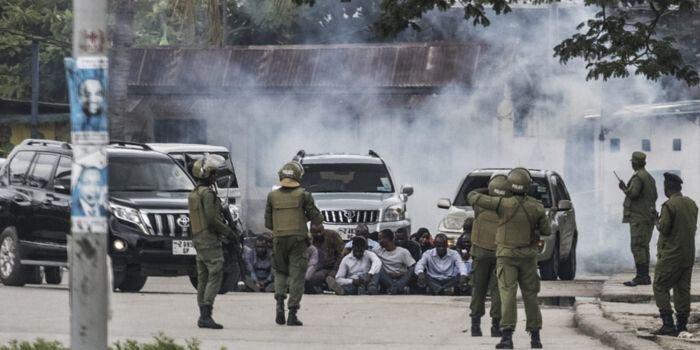
At least 240 people were charged with treason after the protests, but the president later sought to ease tension and asked prosecutors to “show leniency”. Many of those charged have reportedly already been released.
On Monday, while announcing the cancellation of celebrations, Nchemba appealed to Tanzanians to avoid violence and insisted on the importance of political dialogue.
“I urge my fellow Tanzanians to come together and discuss the issues affecting us. Let us not return to what we went through, because the consequences are irreparable,” he said.
President Samia came into office in 2021 as Tanzania’s first female president following the death of President John Magufuli.
She was initially praised for easing political repression, but the political space has since narrowed.
Additional reporting by Shingai Nyoka
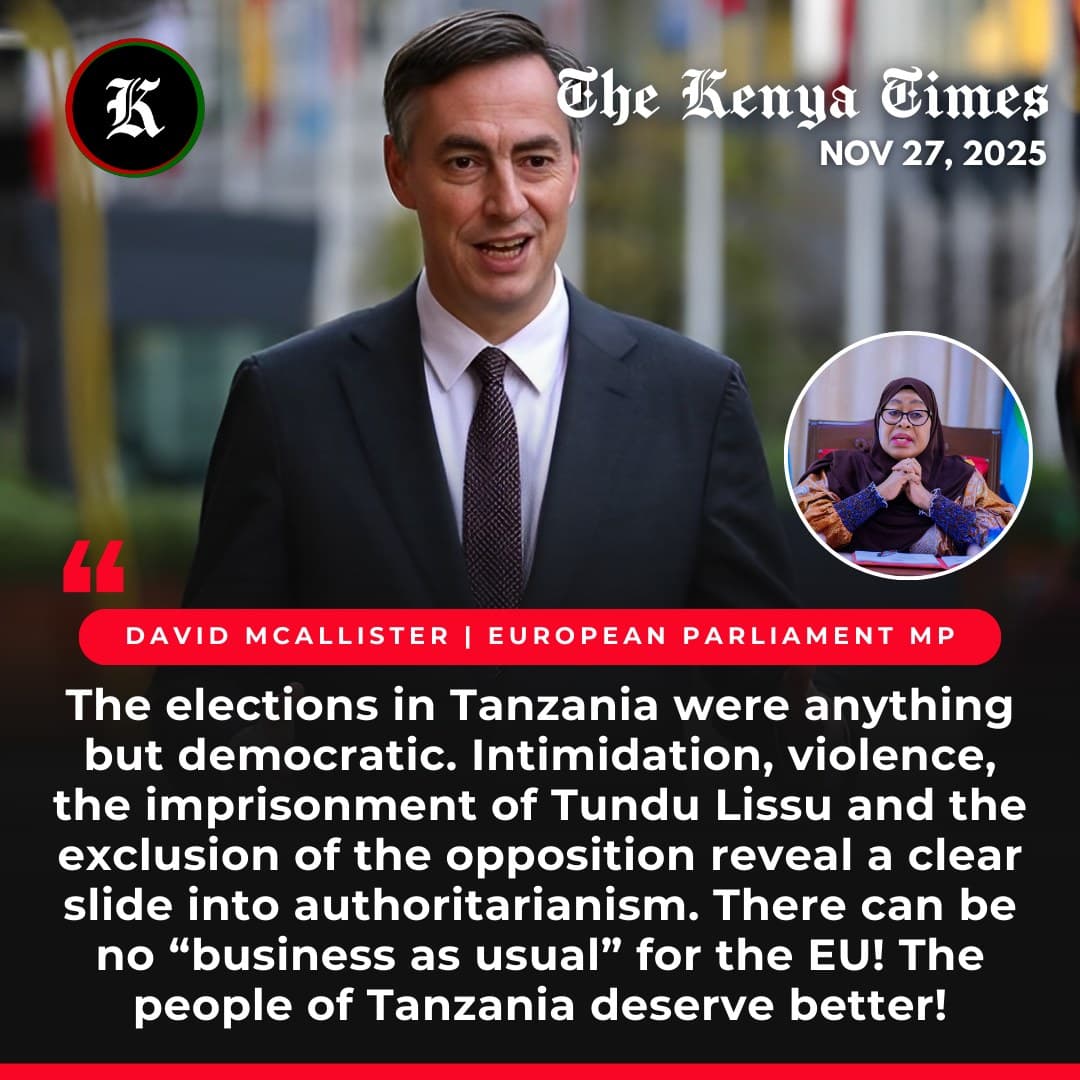
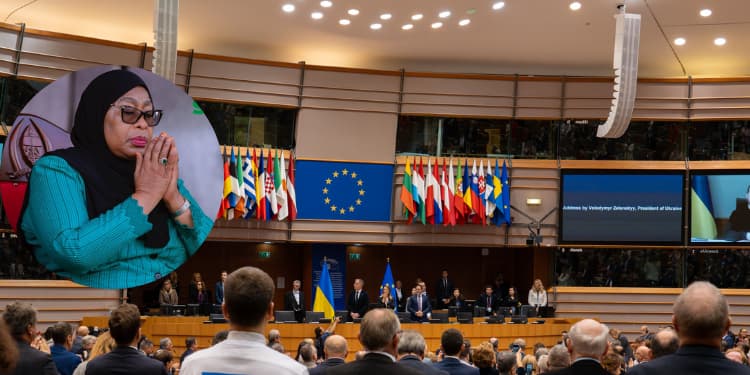
The European Parliament has delivered a unanimous and unprecedented condemnation of Tanzania’s post-election human rights situation, citing killings, disappearances, political repression, and a violent crackdown following the country’s October 2025 polls.
In a decisive 539–0 vote, with 27 abstentions, Members of the European Parliament (MEPs) approved a resolution that raises serious concerns about the situation in the country and sets the stage for blocking EU funding and considering sanctions against those responsible for abuses.
Following the adoption of the resolution, the European Union confirmed that it had frozen Tanzania’s Annual Action Plan (AAP) 2025, stating that the severity of the human rights crisis makes it impossible to continue normal cooperation without accountability. The Commission signals that collaboration with Tanzanian authorities cannot proceed while abuses remain unaddressed.
In addition to freezing funding, Parliament is urging credible, independent investigations, including an African-led inquiry into alleged killings, enforced disappearances, torture, and other violations.
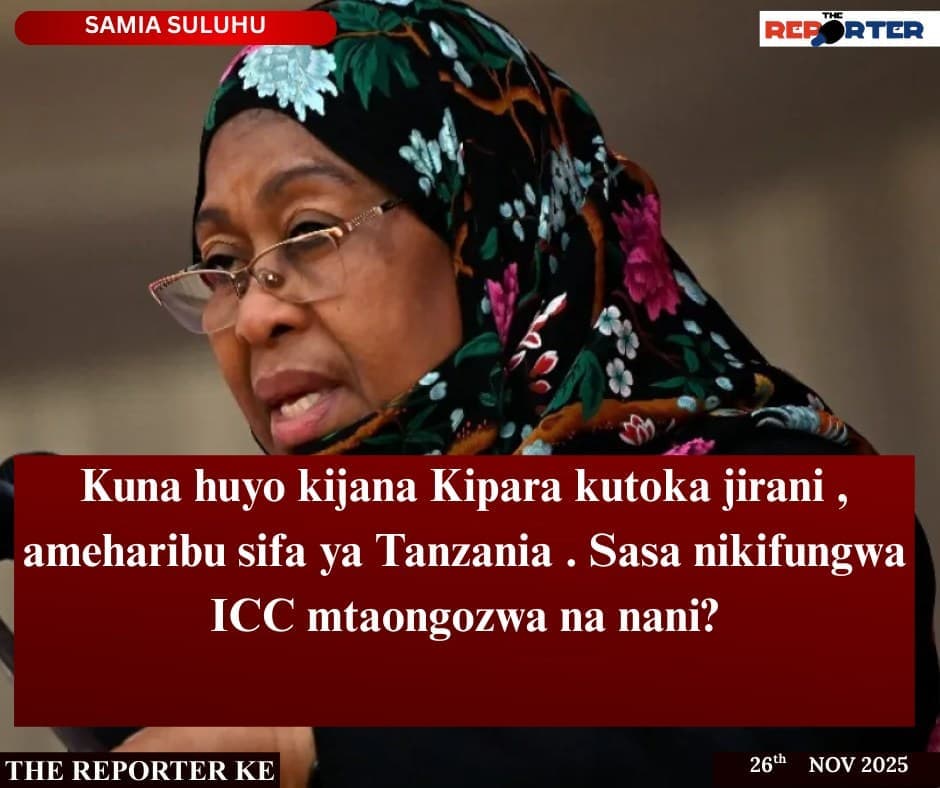
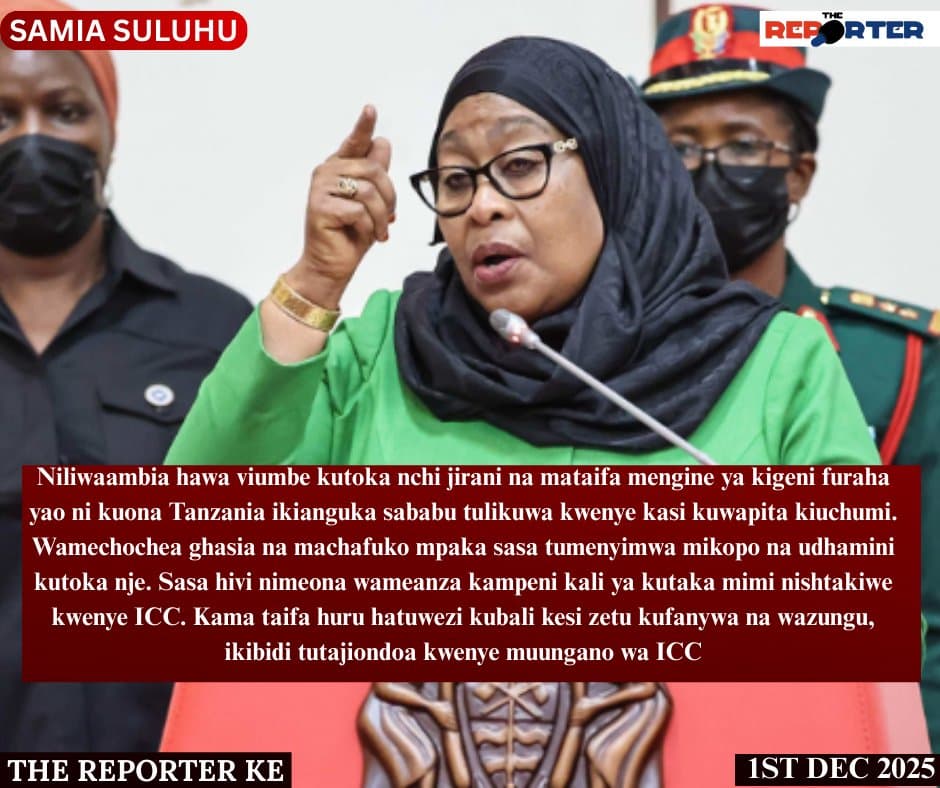
The voting comes after Tanzanian President Samia Suluhu was sued at the International Criminal Court (ICC) over the post-election violence.
Also Read: Blow to Suluhu as European Parliament Recommends Sanctions on Tanzania
The World Jurists Association and the Madrid Bar Association, in a statement on Tuesday 25, November 2025, argued that Tanzanian security forces have murdered thousands of civilians, enforced disappearances, tortured detainees, committed sexual violence, and displaced Maasai communities.
“This Communication provides to the OTP substantiated information concerning crimes against humanity perpetrated against the civilian population of the United Republic of Tanzania, with particular focus on the systematic attack that occurred during and following the general elections of 29 October 2025 and ongoing facts,” read part of the petition.
Additionally, the organizations have claimed that they have conducted cyber-enabled operations since 2016 and filed an 82-page petition against the government.
The two organizations led by lawyer Juan Carlos Gutierrez filed a petition to the ICC, presenting detailed accounts of crimes against humanity they claim are linked to the country’s 2025 elections.
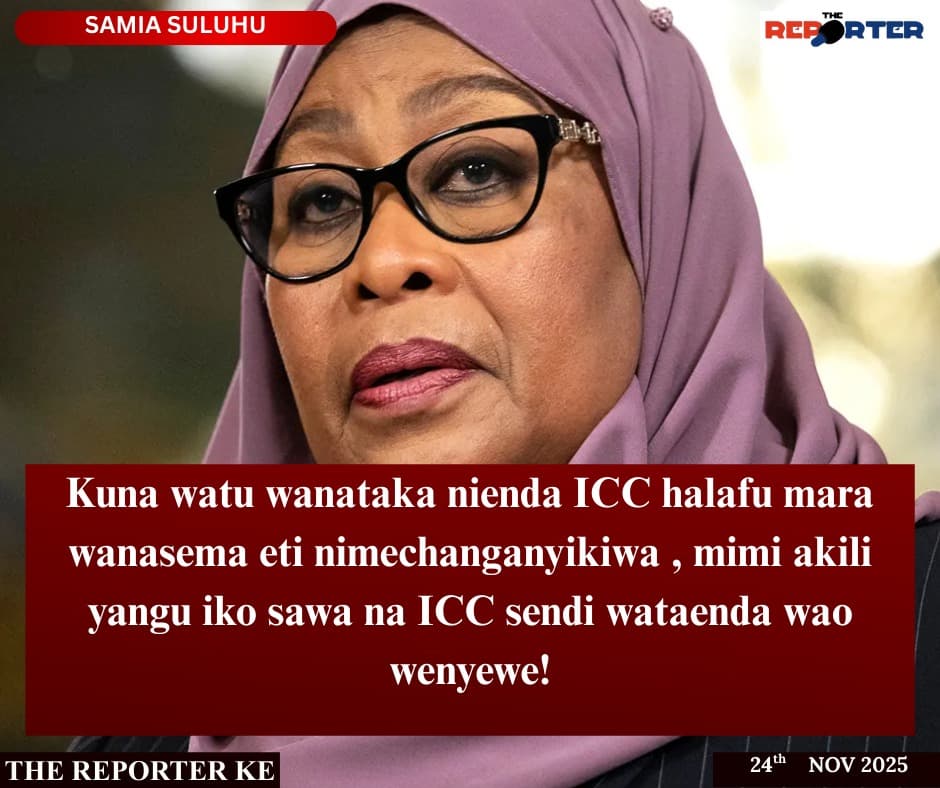
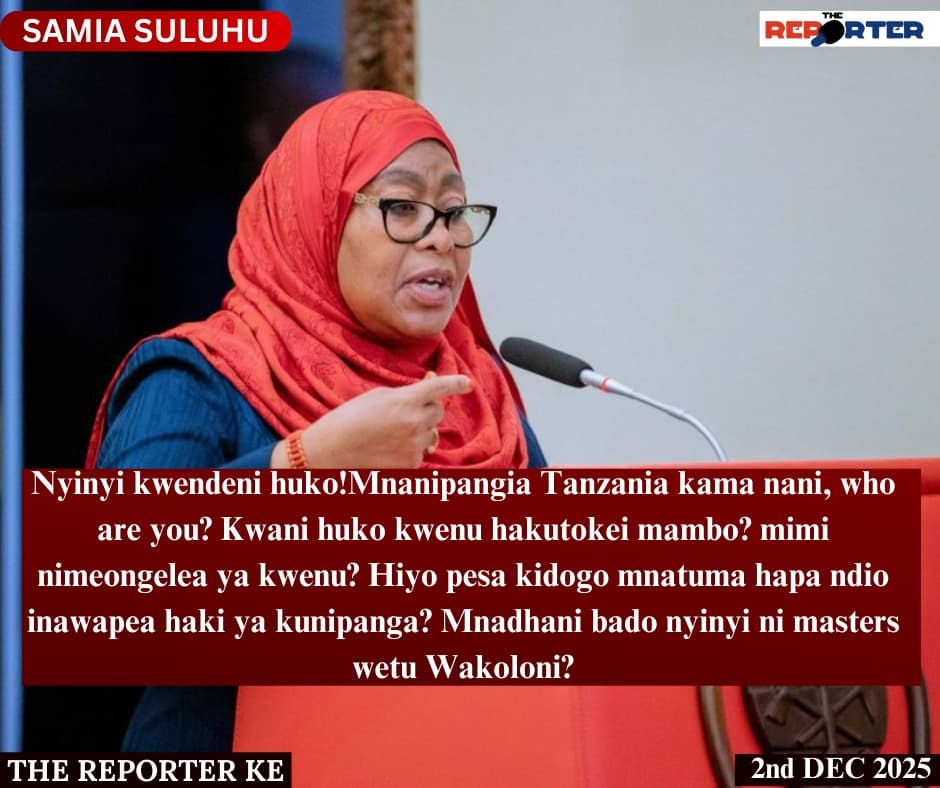
Hii Malaya Bado inanyesha? Hajafika menopause? Is she conceding that Tanzanians are brainless wild animals who are manipulated by Kenyans to cause chaos?
This woman has very low regard for her citizens. She actually thinks tanzanians can’t think for themselves. At least huyu wetu blames the opposition, not Uganda or somalia.
A coalition of 17 Western countries led by the United Kingdom and Germany has called out Tanzanian President Samia Suluhu, demanding an immediate address to allegations of human rights abuses.
In a statement on Friday, December 5, the UK, Germany, Canada, France, Italy, the Netherlands, Poland, Slovakia, Spain, Sweden, Denmark, Norway and the European Union called on the Tanzanian government to urgently release all the bodies of those killed during the protests.
While calling for the release of bodies to the grieving families, the countries also ordered the immediate release of all political prisoners and the provision of both legal and medical support to the detainees.
According to the joint statement, credible reports from domestic and international organisations showed evidence of extrajudicial killings, disappearances, arbitrary arrests, and concealment of dead bodies.
“We call on the authorities to urgently release all the bodies of the dead to their families, to further release all political prisoners and allow detainees legal and medical support,” read part of the joint statement.
The coalition emphasised that Suluhu must act on the recommendations highlighted by the African Union (AU) and the Southern African Development Community (SADC) in their preliminary election reports.
Both regional bodies identified glaring weaknesses in Tanzania’s electoral process, inefficiencies that the Western embassies noted must be addressed if Suluhu wants to restore confidence.
“We further call on the government to address the recommendations made in the AU and SADC preliminary elections reports, which set out clear shortcomings in the electoral process,” the statement added.
The countries went ahead to call for an independent, transparent and inclusive investigation into the violence witnessed in Tanzania on October 29.
They further urged the Tanzanian government to take the responsibility of safeguarding constitutional rights, particularly access to information and freedom of expression among Tanzanian citizens.
“We reiterate our call on the government to uphold its international commitments to protecting fundamental freedoms and the constitutional rights to access information and freedom of expression for all Tanzanians,” they reiterated.
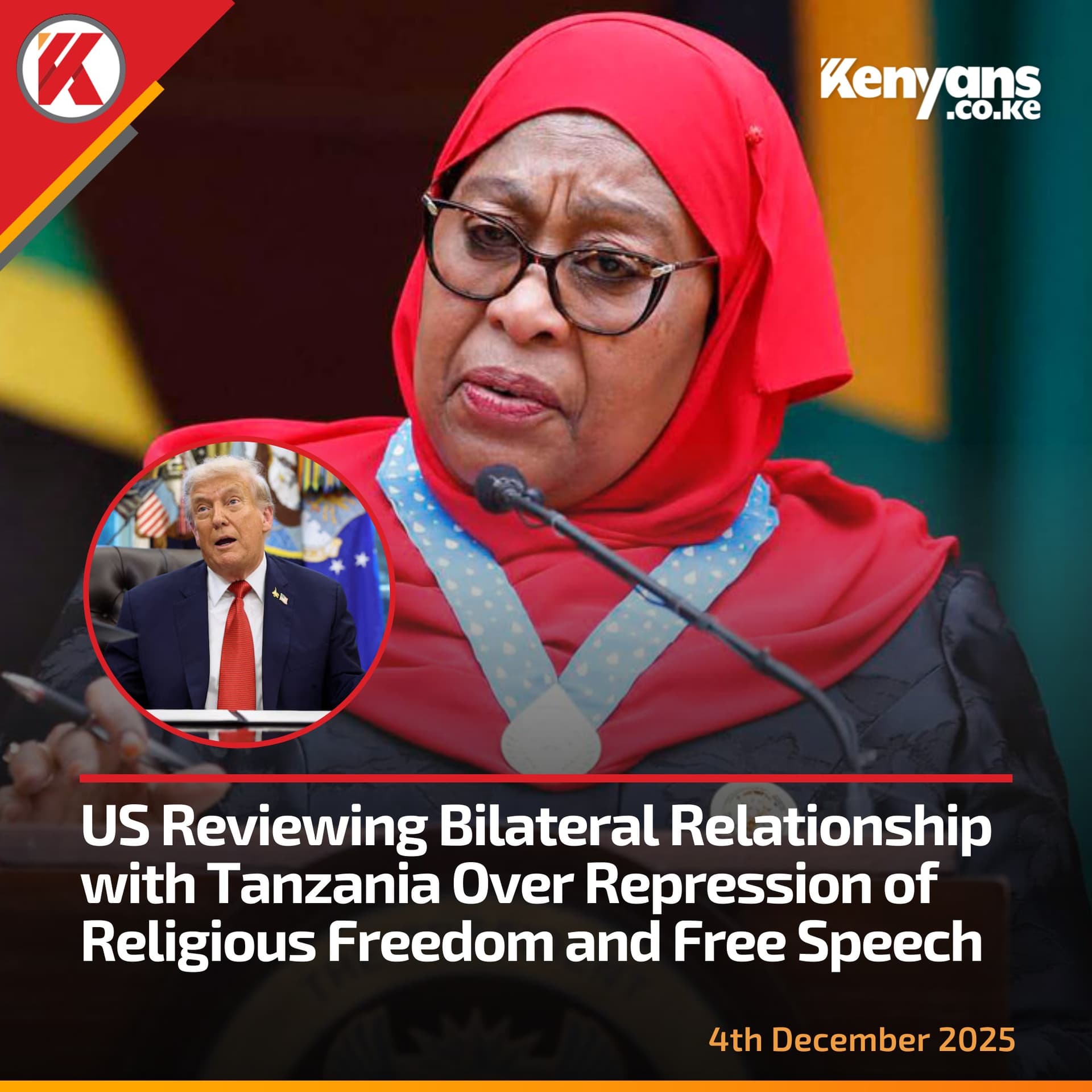
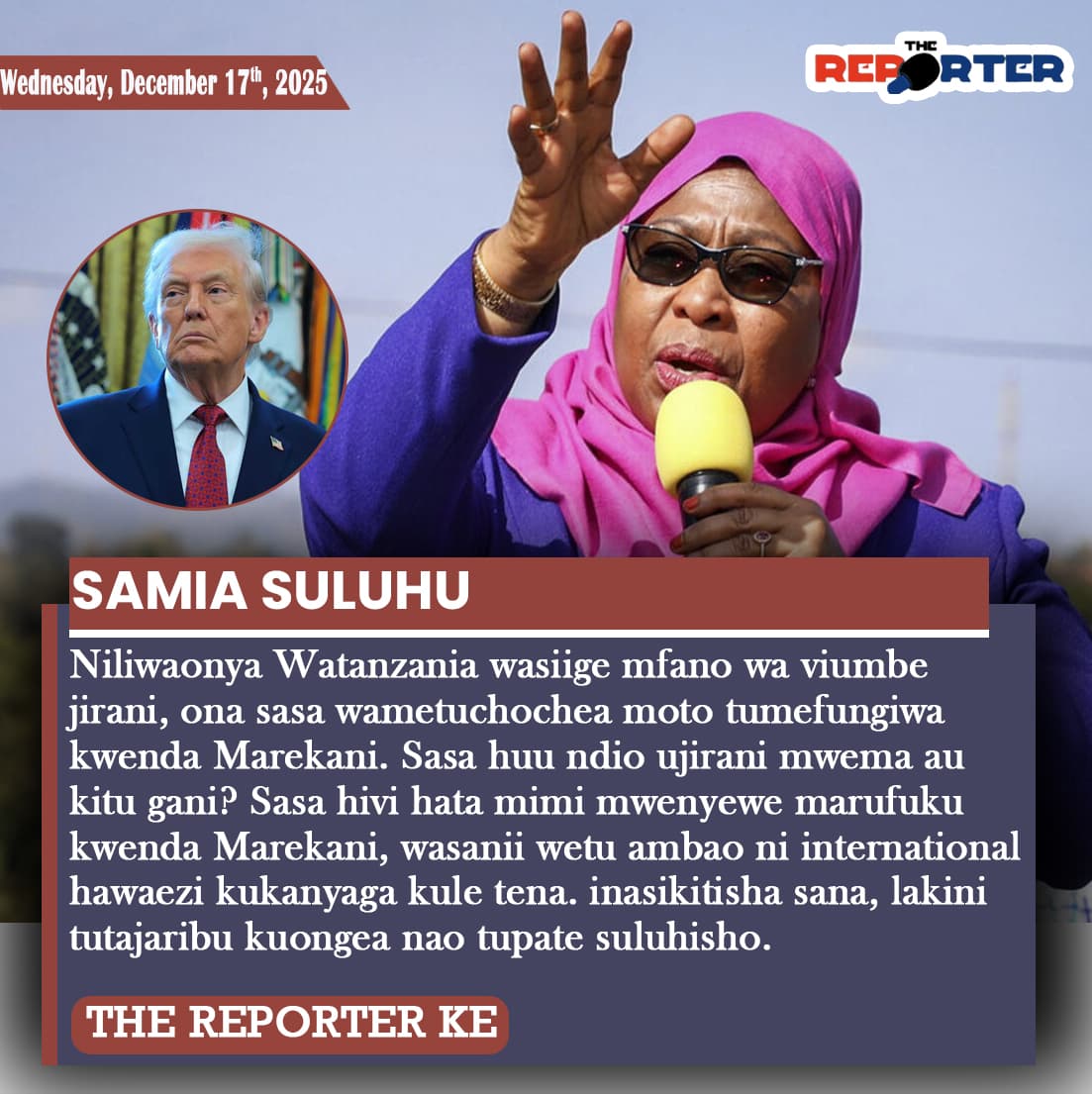
The latest development comes a day after the United States announced a comprehensive review of its bilateral relationship with Tanzania due to the killings witnessed in the country.