The Brits through the British East India company wanted to sell opium to the Chinese population by force, getting millions addicted. Talk of an officially sanctioned drug cartel.
In current times it is this guise of drug legalization that may be used to quietly subjugate sovereign nations from within
Case in point. These are lyrics from the N.W.A (Niggaz wit Attitude) song “Express Yourself” (1988)
I still express, yo, I don’t smoke weed or sess
Cause it’s known to give a brother brain damage
And brain damage on the mic don’t manage, nothing
But making a sucker and you equal
Don’t be another sequel (Express yourself!)
Just four years later, the same Dr. Dre dropped an album called “Tha Chronic”
WRITTEN BY Frida Garza
March 23, 2016
There’s a pretty damning quote from a former Nixon policy advisor in an essay arguing for drug legalization recently published in [I]Harper’s[/I].
The author, Dan Baum, opens the piece with a scene: he finds John Ehrlichman, Nixon’s former domestic policy advisor, working at an engineering firm in Atlanta in 1994. Baum, who is researching drug prohibition politics, starts to ask him “earnest, wonky” questions, before Ehrlichman snaps and gives him this elucidating quote:
[INDENT]“You want to know what this was really all about?” he asked with the bluntness of a man who, after public disgrace and a stretch in federal prison, had little left to protect. “The Nixon campaign in 1968, and the Nixon White House after that, had two enemies: the antiwar left and black people. You understand what I’m saying? We knew we couldn’t make it illegal to be either against the war or black, but by getting the public to associate the hippies with marijuana and blacks with heroin, and then criminalizing both heavily, we could disrupt those communities. We could arrest their leaders, raid their homes, break up their meetings, and vilify them night after night on the evening news. Did we know we were lying about the drugs? Of course we did.”[/INDENT]
When Baum looked shocked to hear that, he writes. Ehrlichman simply shrugged.
But perhaps he shouldn’t have been shocked. It has long been known that the Nixon administration invented the war on drugs, as Julianne Escobedo Shepard writes at Jezebel, and that the policy has largely failed to help people. Instead, it has incarcerated hundreds of thousands of Americans (mostly black and Latino), and fueled the demand for drugs produced outside the US, most notably in Mexico, where it has fueled horrific violence.
One word in Baum’s quote is particularly telling: “criminalizing.” Here, Ehrlichman admits that drug prohibition was a tool to create criminality in black and leftist communities where there otherwise wouldn’t be.
Other countries have created or considered policies to undo this dynamic. Ireland, for example, decriminalized pot, cocaine, and heroin last year, arguing that addiction is a healthcare issue and not a policy issue. In Mexico, one state governor has suggested legalizing opium in order to give local farmers a legal alternative to illicit opium poppy cultivation.
Baum writes about the Netherlands as an example of a country where drug legalization has worked. And indeed, the Netherlands has been closing jails because it doesn’t have enough criminals. It’s a nice problem to have—and one unlikely to happen anytime soon in the US’s entrenched prison industrial complex.
Whatever happened to Nixon’s “War on Drugs?” After he was ousted, the CIA officially entered the drug trade, importing massive amounts of cocaine into the ghettos of Los Angeles and starting the “crack epidemic”
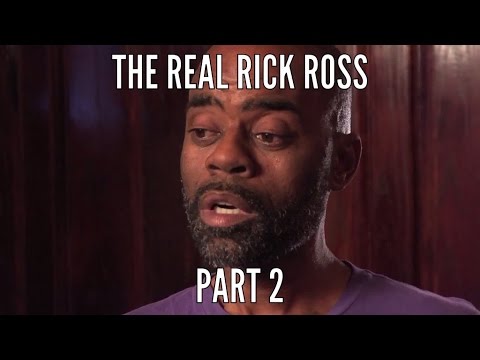
“Freeway” Rick Ross was one of the biggest Crack cocaine dealers in America.