…
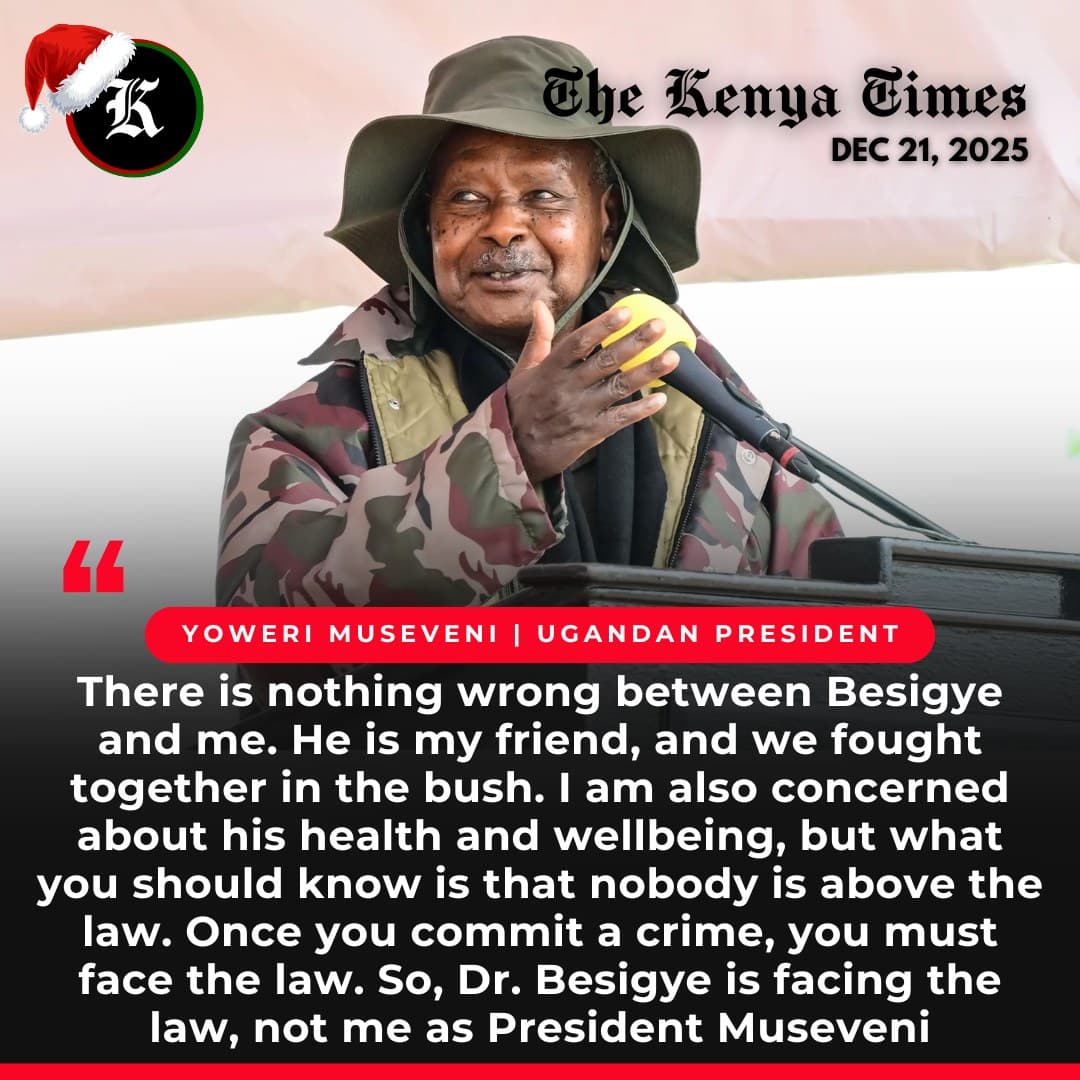
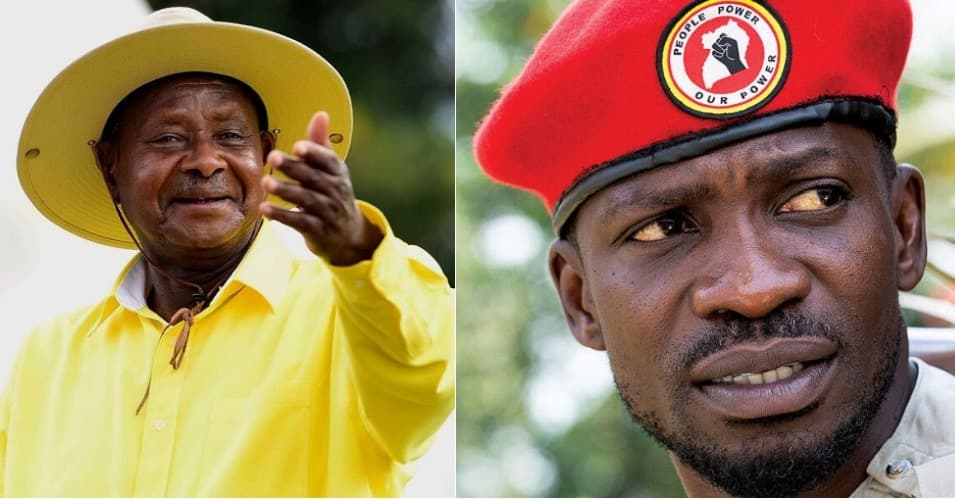
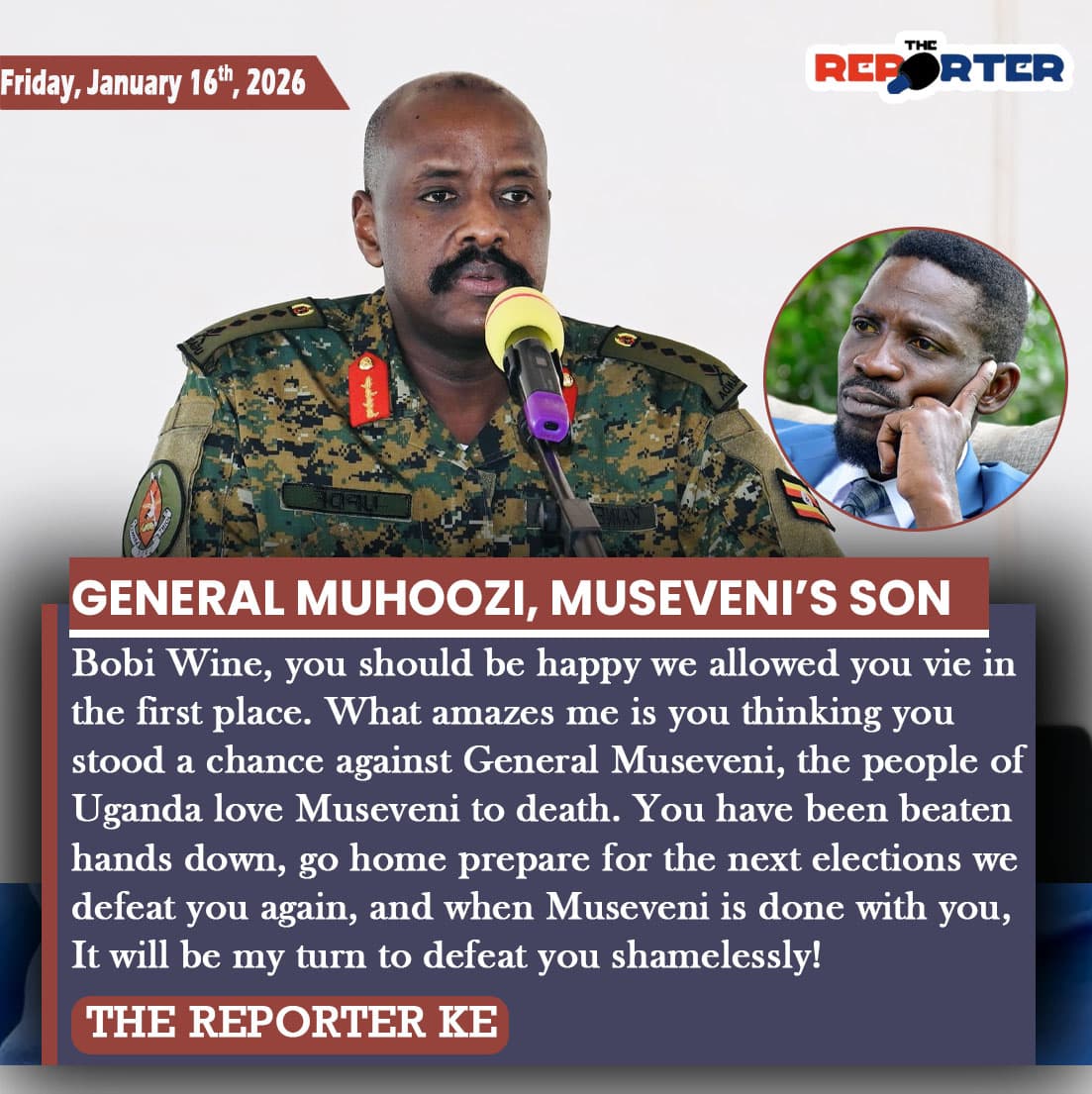
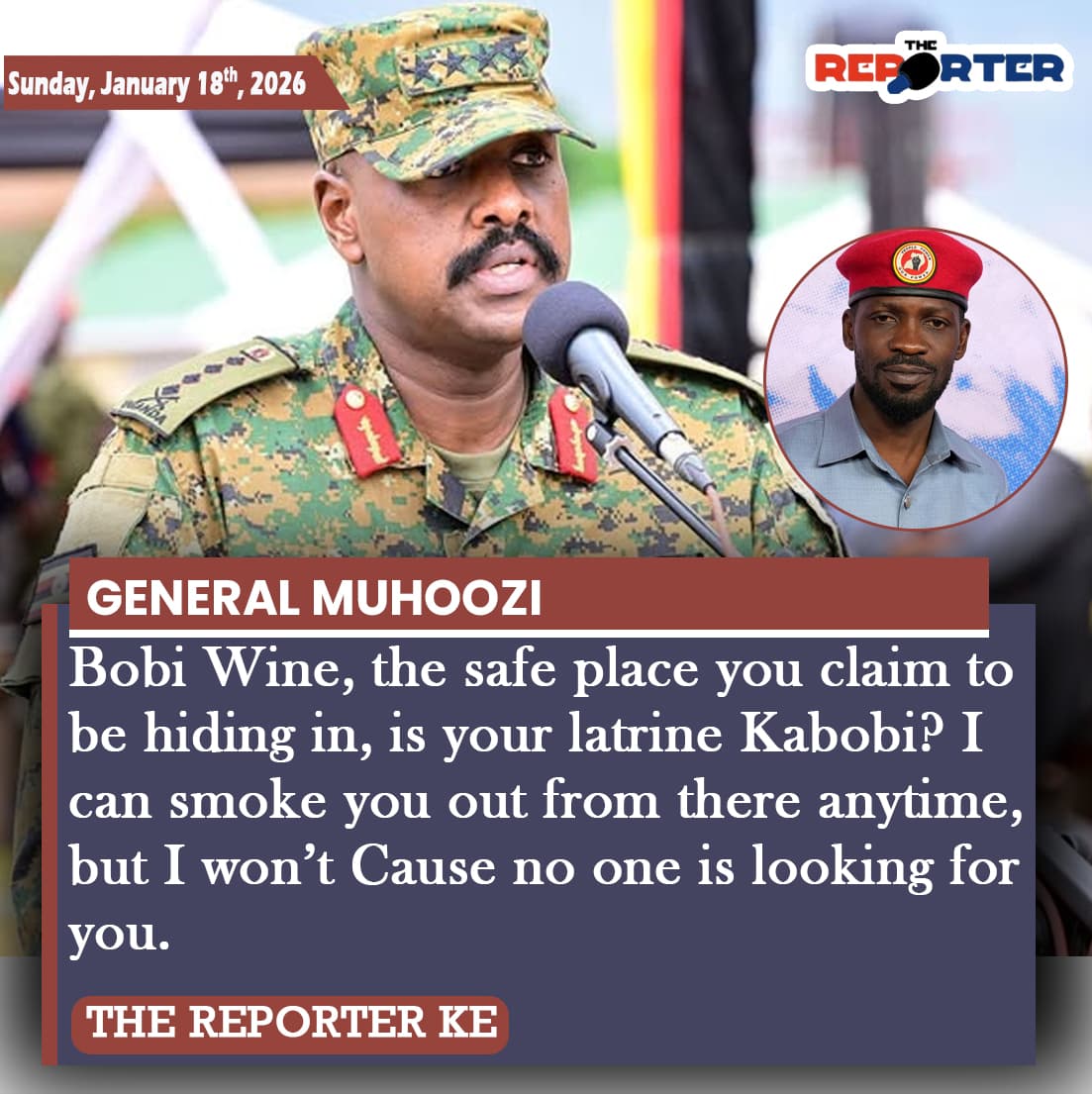
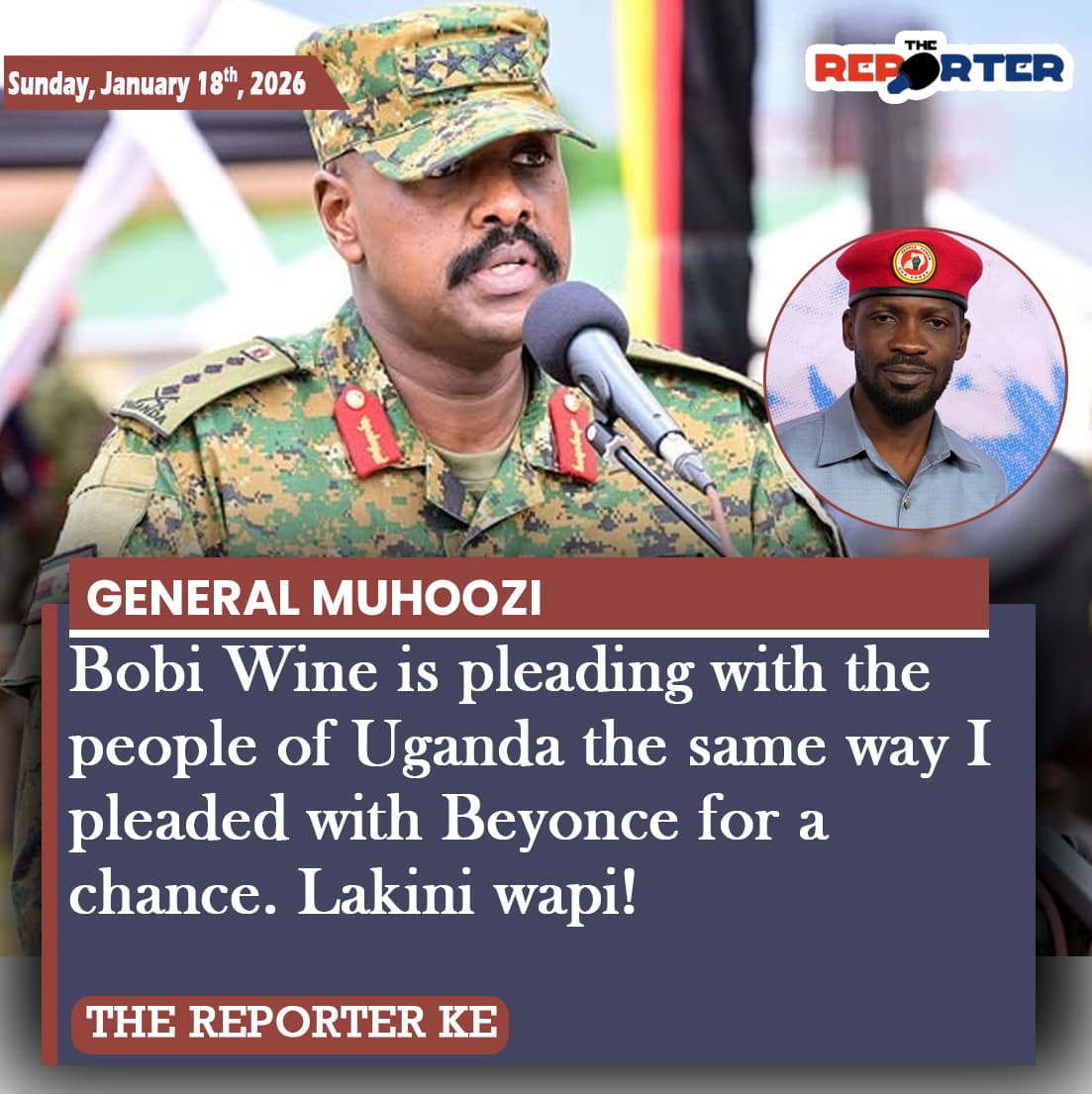
Major Controversies & “Reckless” Claims
- Threat to Invade Kenya (October 2022): In one of his most infamous episodes, Muhoozi claimed it would take him and his army less than two weeks to capture Nairobi, the capital of Kenya. This forced President Museveni to issue a formal apology to Kenya and temporarily bar his son from commenting on state affairs on social media.
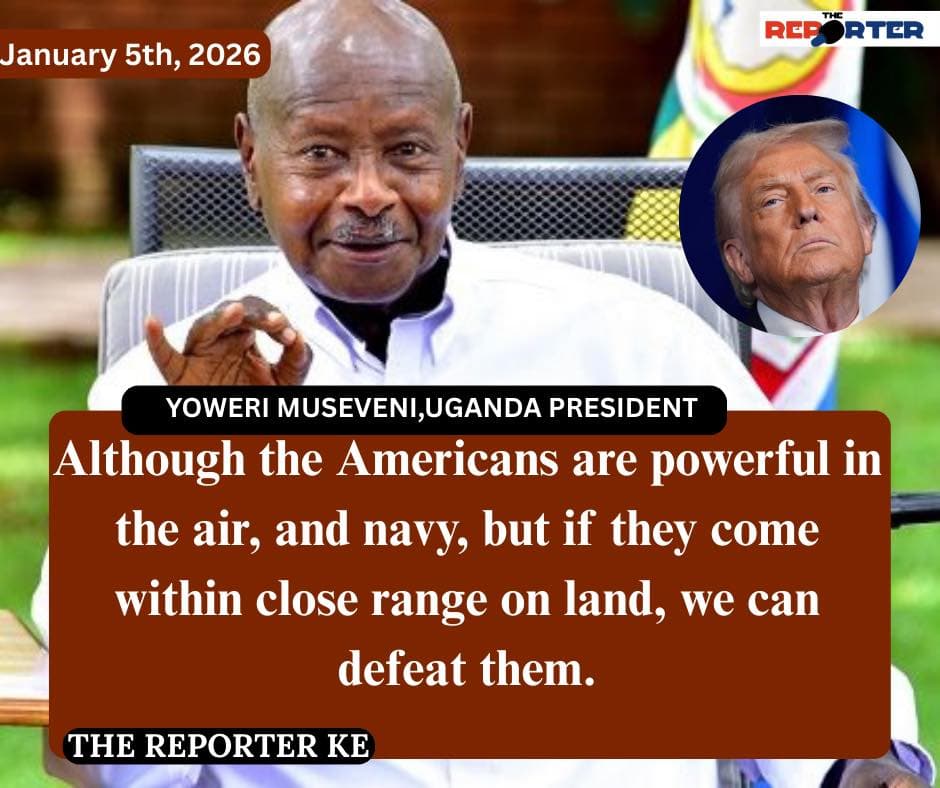
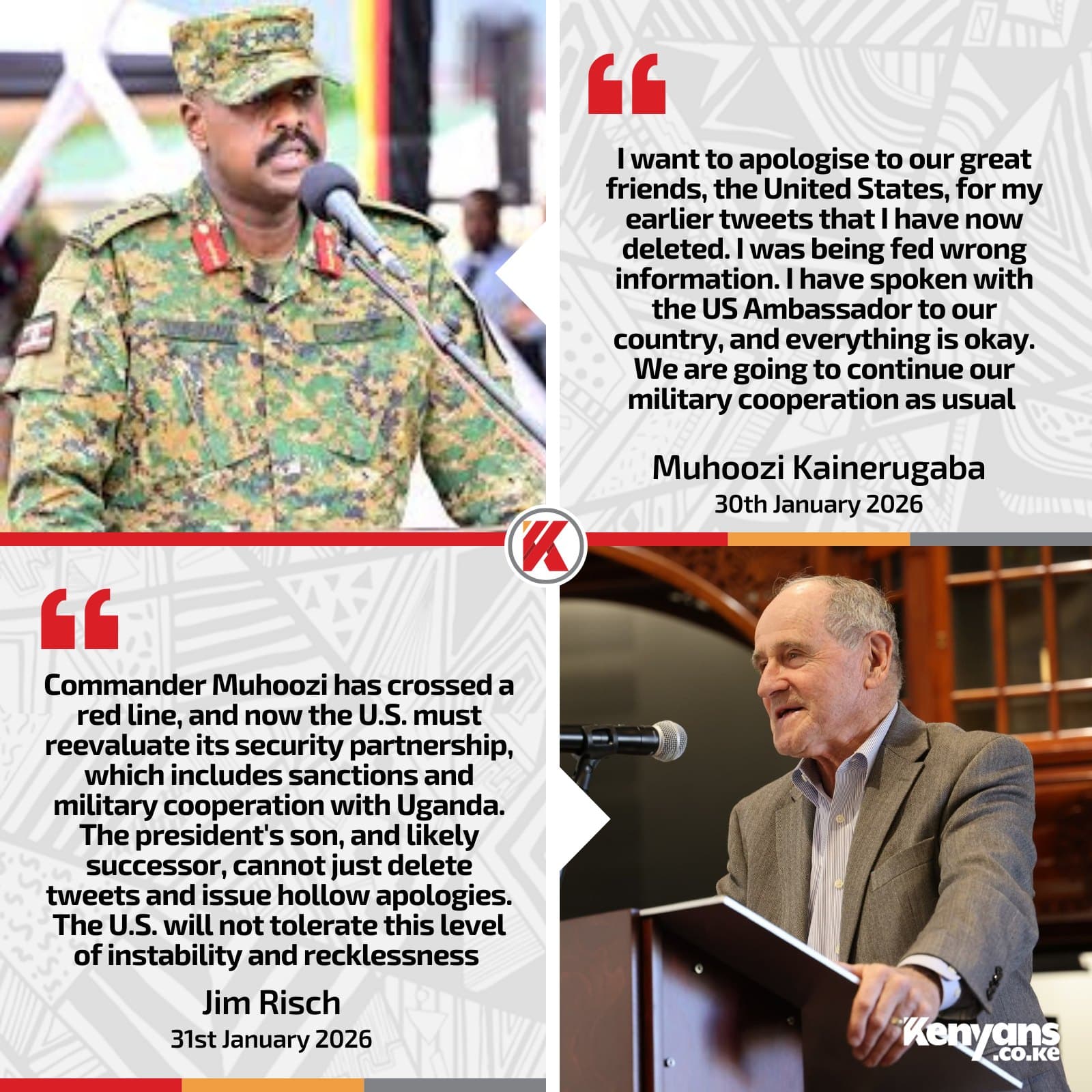
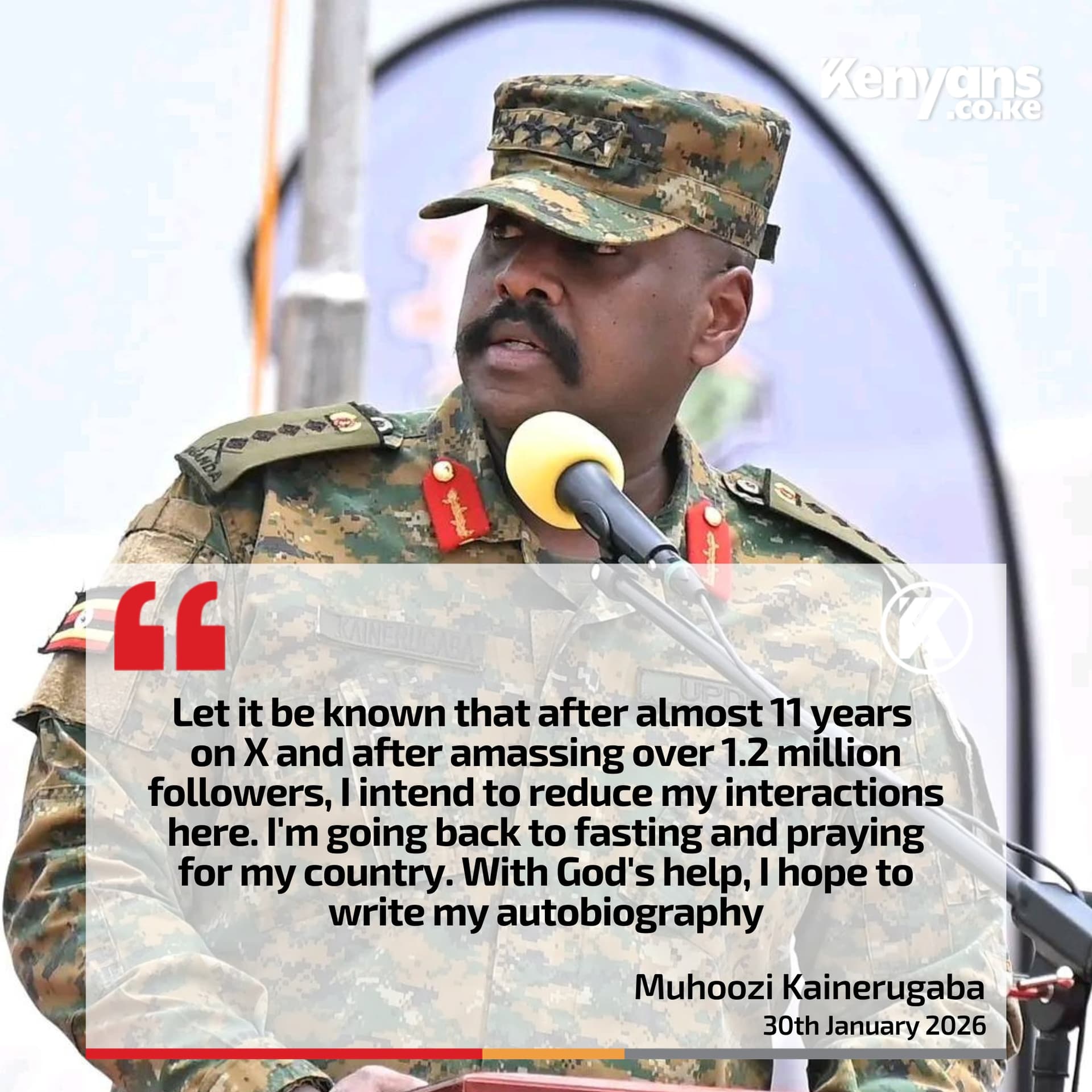
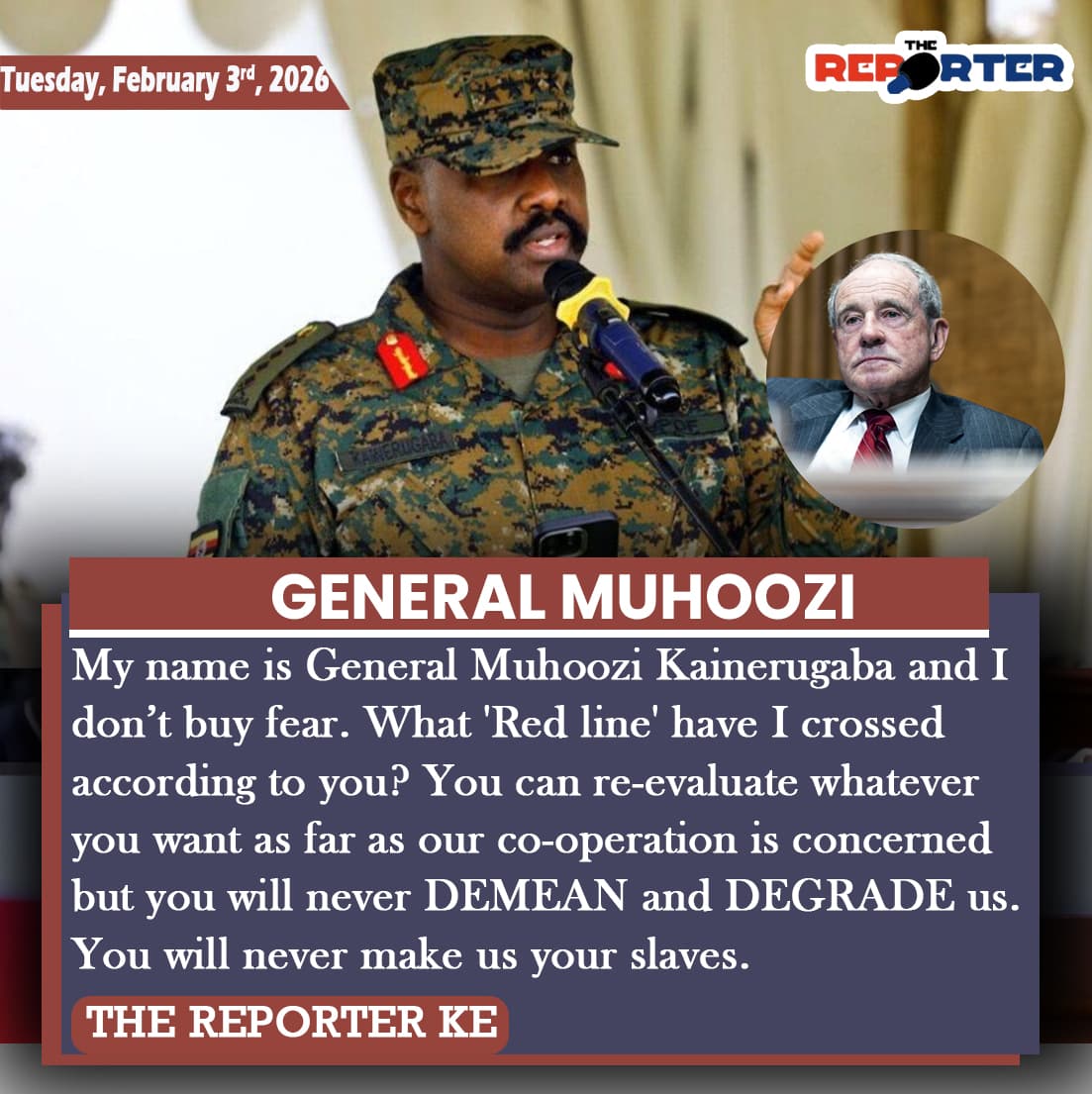
- Hostility Toward the U.S. (January 2026): Most recently, Muhoozi claimed to suspend all military cooperation with the U.S., accusing American embassy staff of coordinating a “kidnapping” of opposition leader Bobi Wine. Although he later deleted the tweets and apologized, U.S. Senator Jim Risch called his actions “reckless” and urged a review of security ties.
- Insults to the Kenyan Military (January 2026): He recently mocked Kenyan Special Forces in Haiti as “weaklings” and “marathon runners,” claiming the Ugandan army could do their job in a month.
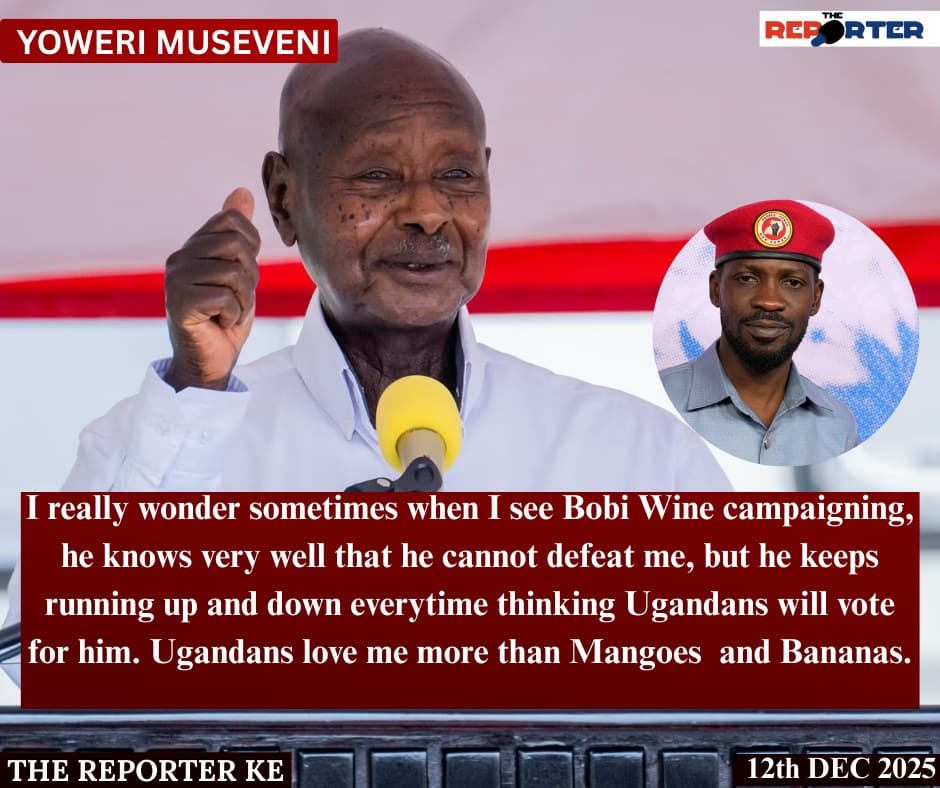
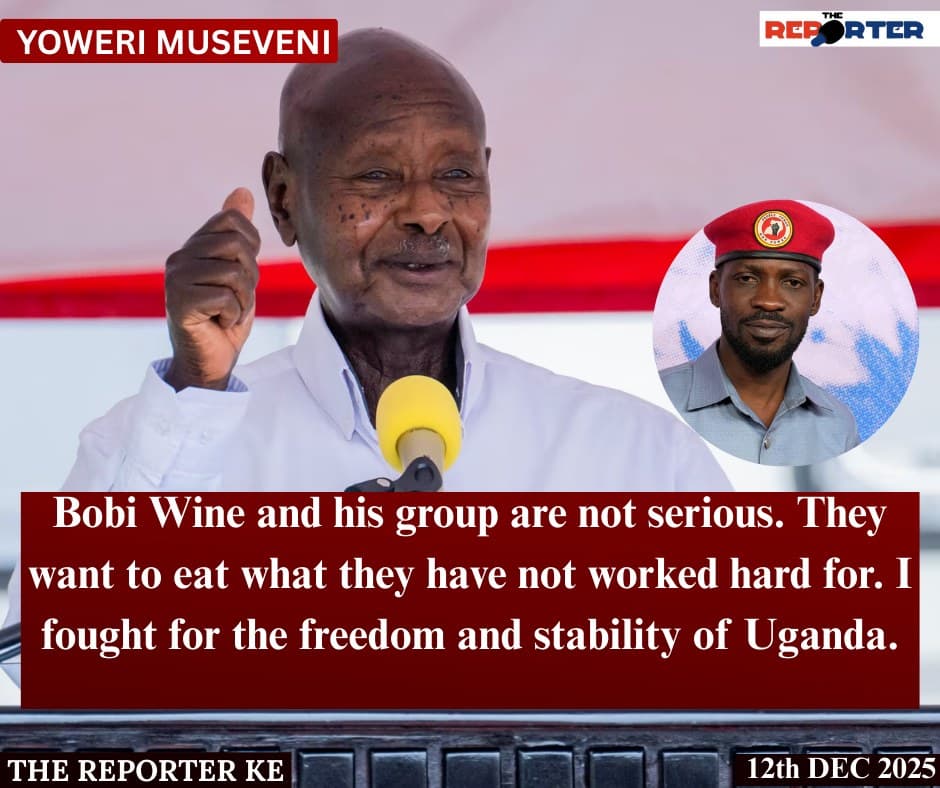
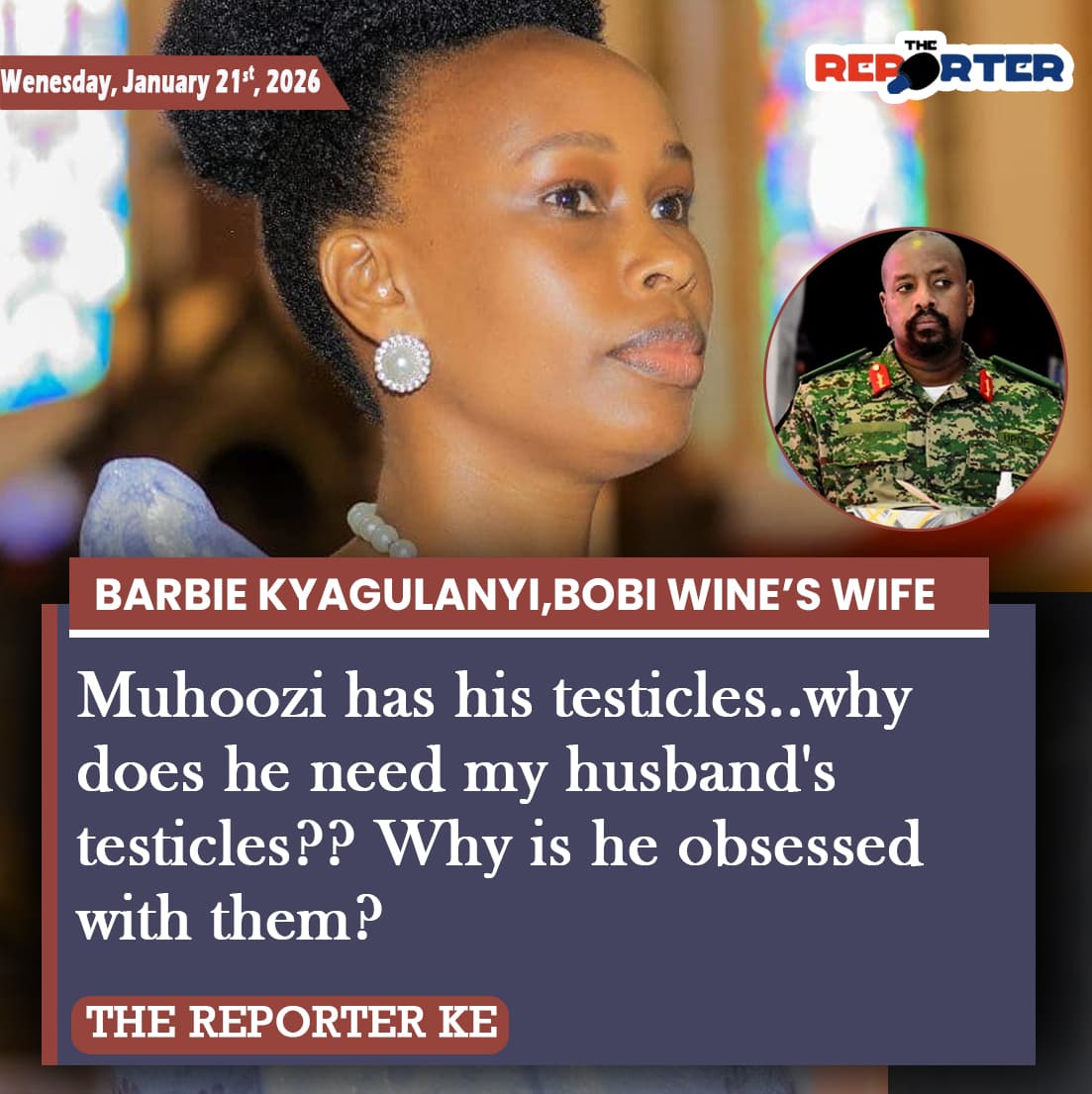
- Threats Against Bobi Wine: Muhoozi has repeatedly targeted opposition leader Bobi Wine (Robert Kyagulanyi) online, once threatening to “behead” him and promising to “remove his testicles”.
- Support for Russia: He has consistently voiced support for President Vladimir Putin and Russia’s invasion of Ukraine, calling it a “just war”.
- South Sudan & Nuer Conflict: He sparked outrage by tweeting that he was “tired of killing Nuer” in reference to the conflict in South Sudan, leading to demands for an official apology from the Sudanese government.
…
The controversy followed Risch’s earlier call for sanctions over reports of election-related violence, which came amid allegations of human rights abuses and claims by opposition leader Bobi Wine that masked soldiers had raided his home and assaulted his family.
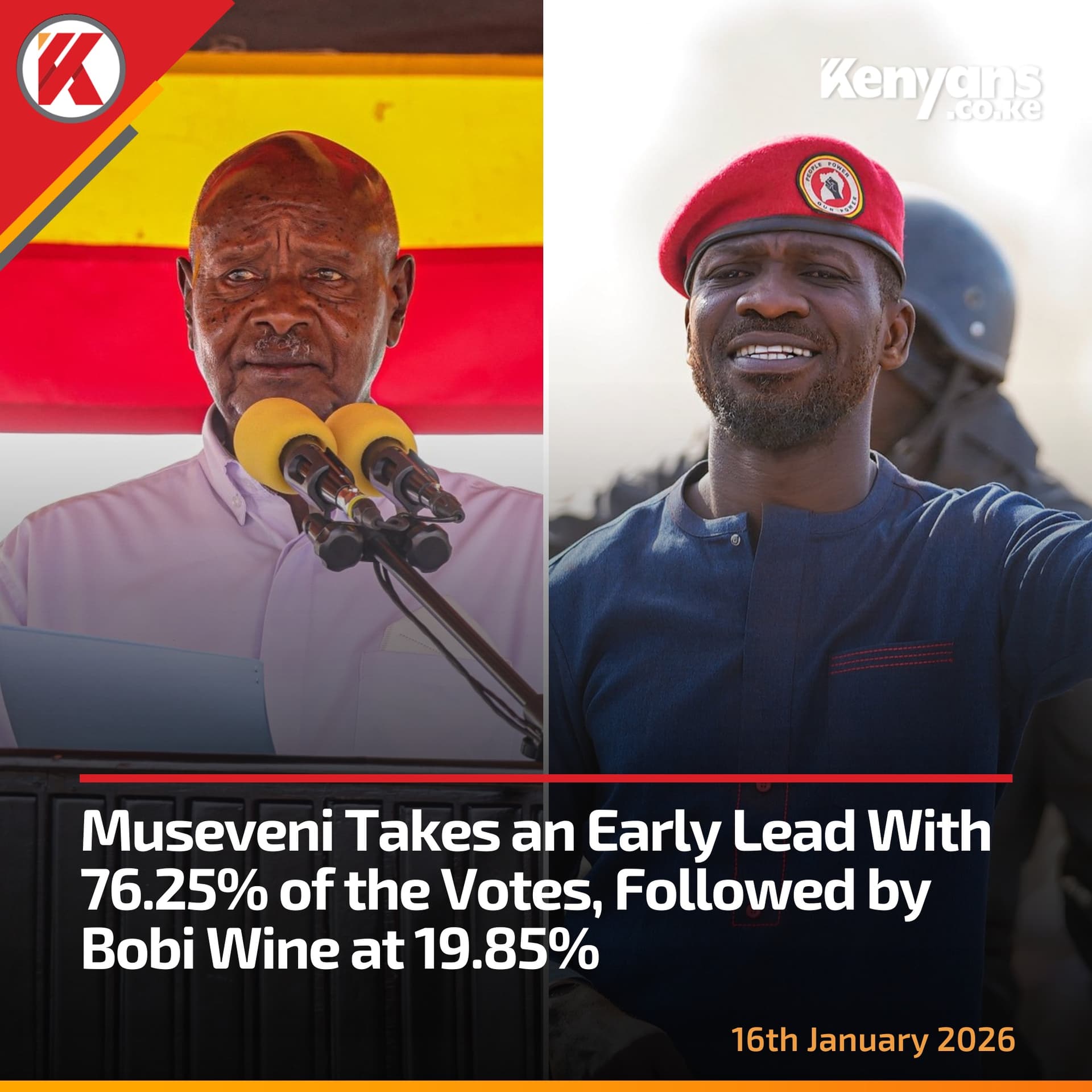
President Museveni was declared the winner of the January elections with 7.9 million votes, securing a ‘straight’ seventh term, while Bobi Wine garnered 2.7 million votes and rejected the outcome, as Muhoozi faced international backlash over a social media post in which he claimed responsibility for the killing of 22 supporters of the National Unity Platform (NUP), whom he described as terrorists.
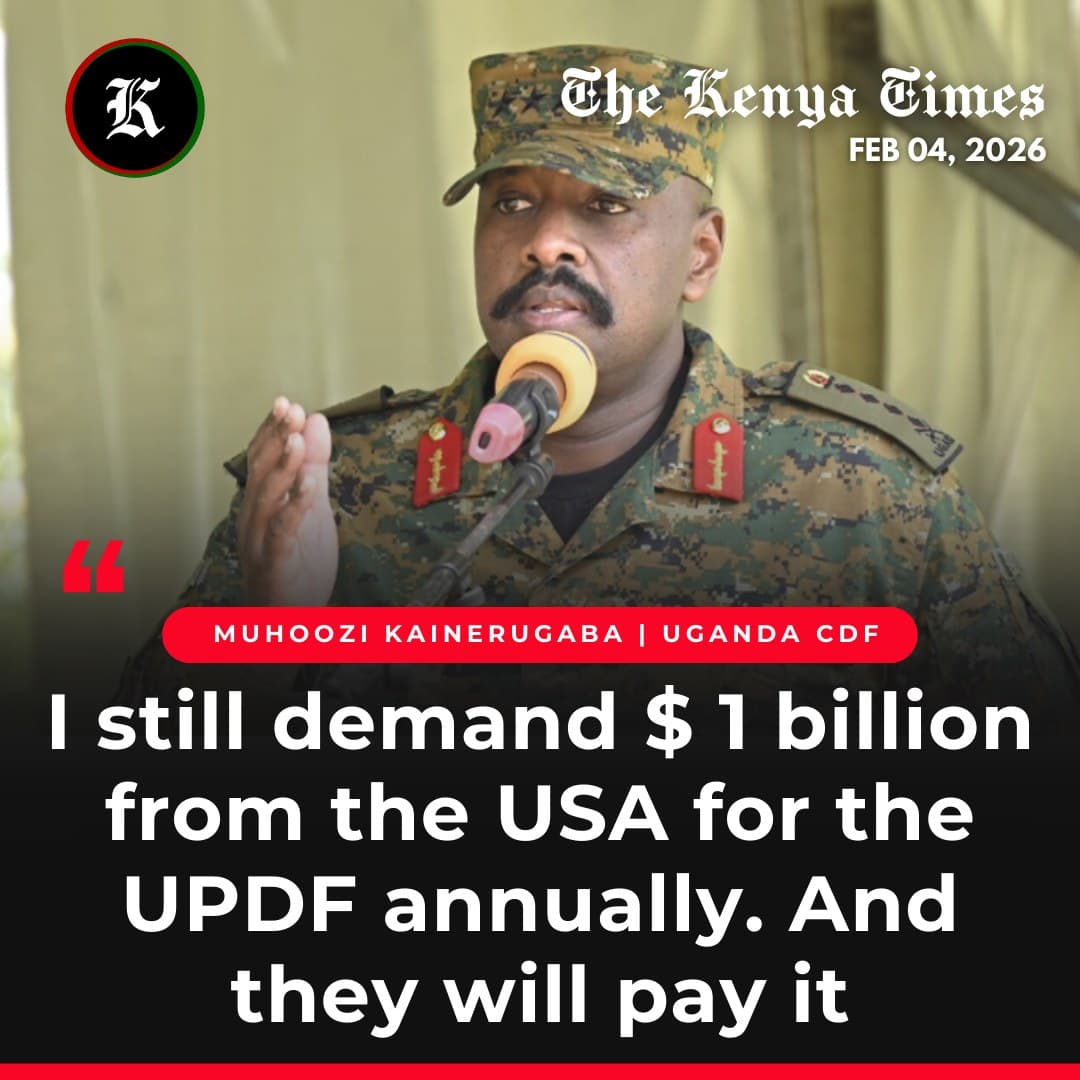
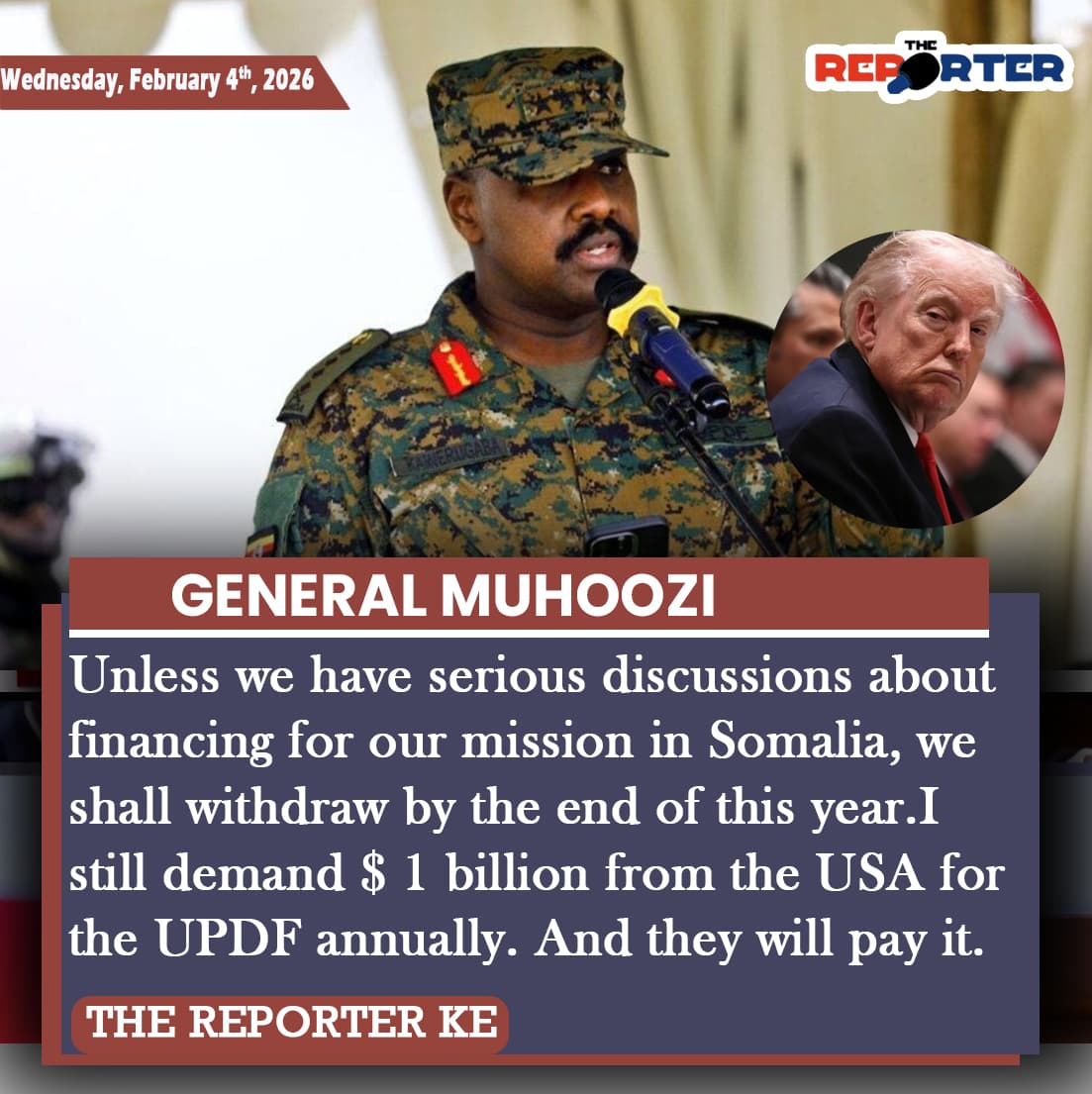
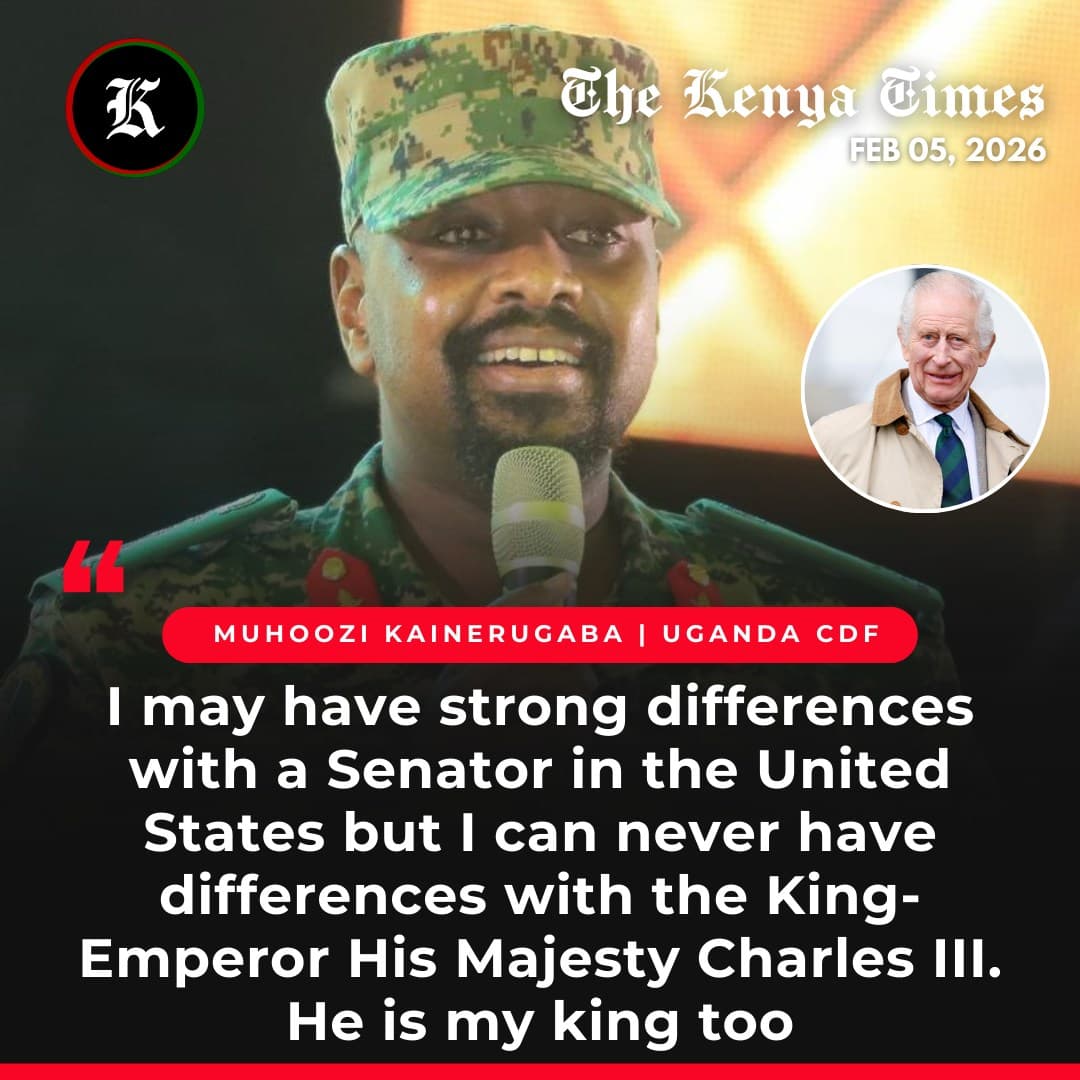
Furious General Muhoozi hits back at US Senator Jim Risch after he threatened sanctions against Uganda

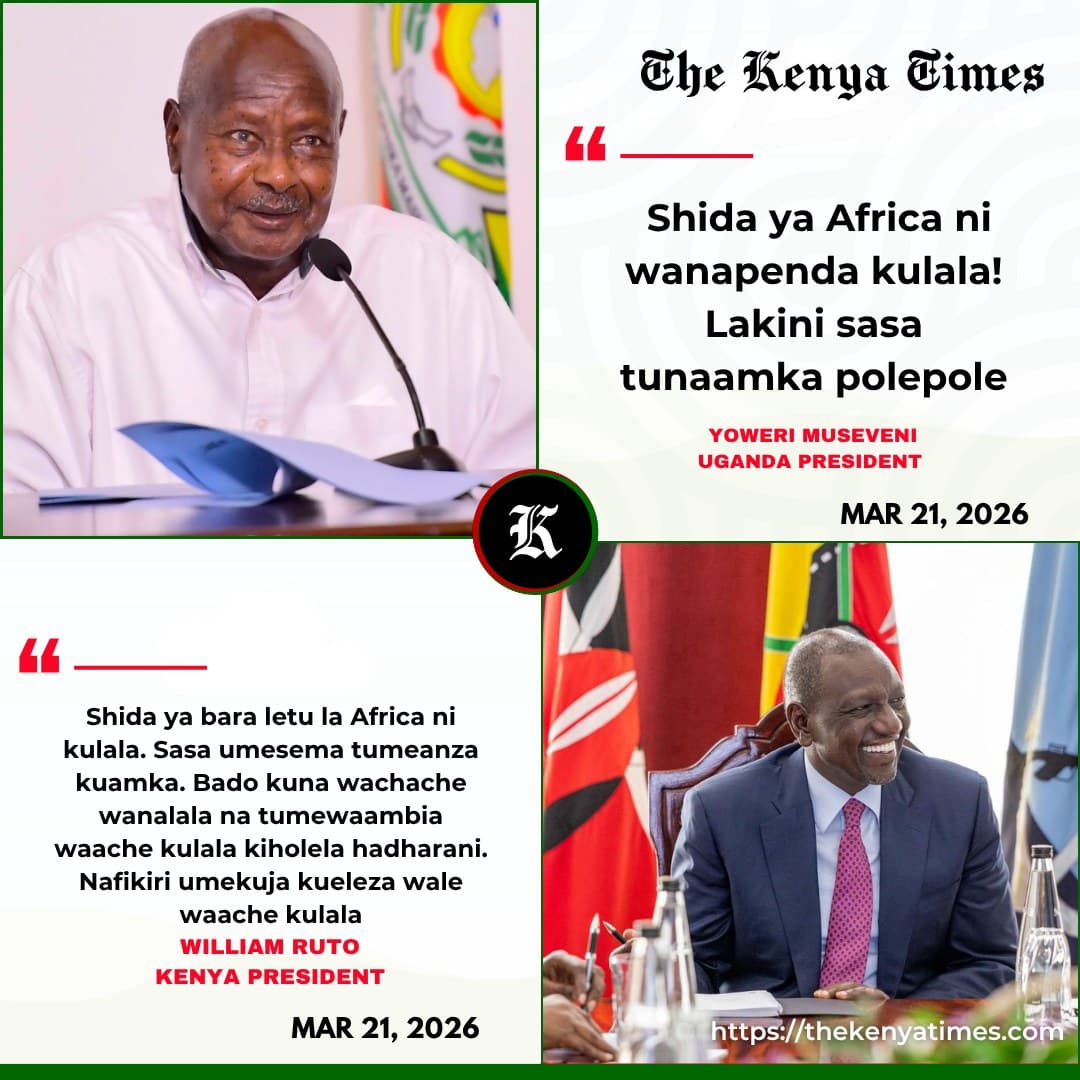
The United States Government has cautioned travelers, particularly those from Uganda, against travelling without adequate financial means to support themselves as they travel and stay in the U.S, noting that this could affect their Visa eligibility.
In a statement on Sunday, March 22, the U.S embassy Uganda said that prospective travellers to the U.S. should ensure that they have enough funds to cover unexpected expenses such as travel disruptions and medical emergencies.
The embassy has cautioned that travelers who abuse U.S taxpayer-funded benefits risk being permanently banned from traveling, studying, or working in the U.S.
“If you’re planning travel to the United States, make sure you have the financial means to pay your own way — including any travel disruptions or medical emergencies that could arise,” the statement read.
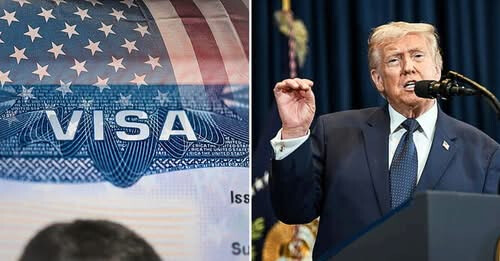
Trump Administration Warns Against Travelling to U.S Without Enough Money
“Abusing U.S. taxpayer-funded benefits may have permanent consequences that make you ineligible to travel, study, or work in the United States in the future,” it added.
Uganda is among the countries that have recently faced stricter visa regulations from Donald Trump’s administration, with many of the measures introduced after the 2026 general election, in which Yoweri Museveni secured a seventh term in office.
Just two months ago, U.S. Ambassador to Uganda William Popp confirmed that Ugandans who are eligible for a B-1/B-2Business/tourist) non-immigrant visa shall be required to post a refundable bond of $15,000 (Ksh1.9 million) before the visa can be issued.
Popp said that the bond shall be returned to travellers who will be compliant with the terms and conditions of the U.S. visa, admission at a port of entry, and the visa bond.
The embassy further indicated that beginning this year, the two types of visas will be valid for a maximum of three months.
The U.S. government also temporarily paused the issuance of immigrant visas to Ugandans until it ensures that all immigrants are thoroughly vetted to ensure they are eligible for the visa.
The embassy clarified that this will not apply to non-immigrant visas, such as those for tourists, students, skilled workers, and their families.
While the message primarily targeted Ugandan residents, the Trump administration has been intent on tightening visa eligibility criteria for several nations, including Kenya.
In August last year, the United States Embassy in Nairobi clarified that owning a visa was not a guarantee of your stay in the US.
According to the embassy, having a US visa only allows an individual to travel to America through the airport or seaport, adding that the visa expiration date is not the period of stay in the US.
Months later, in a bid to tighten policies, the U.S. imposed new restrictions on several African nations, including the neighbouring Somalia, Burundi, Chad, the Republic of the Congo, Equatorial Guinea, Eritrea, Libya and Sudan.
A meeting of who and who in Uganda is more like a family gathering, if you are not family kaa na opinion yako huko, zero progress. I guess hii ni tip tu of the top brass, huko mashinani najua hata cleaners wanaimport relatives from other places.
1 Like