https://x.com/C_NyaKundiH/status/1979069146789802177
+++
People defending these bad laws keep waving the child abuse banner as if that single word ends the argument, yet anyone who understands how the modern internet works knows that the biggest platforms already run industrial scale detection, hash matching, escalation teams and global reporting hotlines that rip such material down fast and hand cases to investigators, which means the worst actors flee to closed channels and off-platform spaces while the public square remains visible and fixable, so when the government says this is what the new powers are for I hear a sales pitch and I see a fig leaf because the real target is loud citizens on social media who embarrass power and refuse to be quiet.
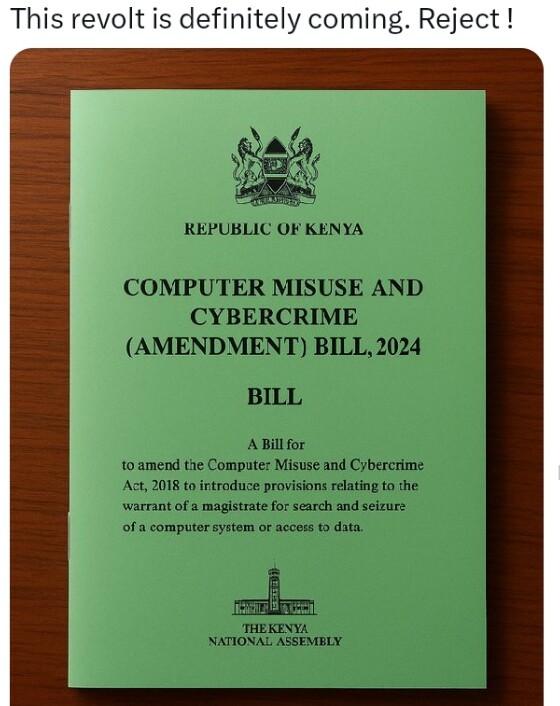
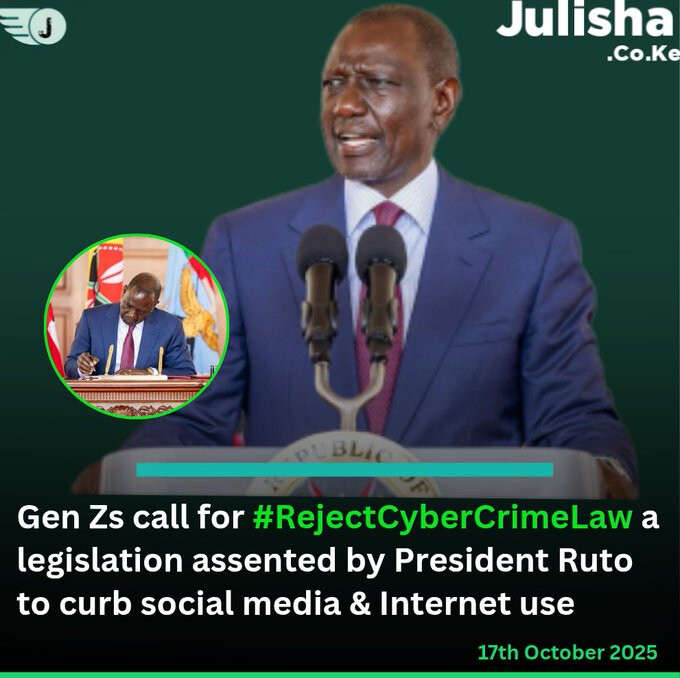
On Wednesday 15 October 2025 the President delayed announcing the passing of Raila, to sign the Computer Misuse and Cybercrimes Amendment Act 2024 and the move felt less like a step into the future and more like a smuggling operation where rejected goods are carried back across the constitutional border under a fresh wrapper, because if you have paid attention to the last decade you have seen this story before, the labels change and the pamphlet is rewritten but the grip on speech is what returns to the shelf.
We did not arrive here by accident and the record is not a blur, in 2016 the courts struck down the vague offence that criminalised so called improper or annoying messages, in 2017 criminal defamation fell because jailing people for defamation is not how a free society corrects error, in the same year the offence of undermining the authority of a public officer collapsed under constitutional scrutiny, in 2019 I filed the petition that brought down the obscenity provision in KICA which had been stretched to frighten critics, and in 2021 I filed the case that ended the colonial offence of alarming publications, so piece by piece the blunt instruments that punished online speech were taken out of the state’s hand and Kenyans learned to speak without checking over their shoulder every minute.
Parliament did not abandon the project, it changed venue, and enforcement energy moved into the 2018 cybercrimes framework where the heaviest penalties already sat and where elastic phrases like grossly offensive or communications that cause fear or harm could be pulled wider by an angry executive, and now with this amendment the net is widened again and the levers sit closer to the centre, which is exactly how rejected ideas are smuggled back into law in a way that looks tidy on television but feels heavy in the real life of a citizen with a phone and a voice.
I have also learned that these elastic speech tools do not only swallow your enemies when politics shifts, they boomerang on your friends, and the proof sits in your own house because Dennis Itumbi was dragged through a false publication case and only found air because the courts had already started tearing down those vague offences, and if we had not fought those battles earlier and if those bad clauses still sat on the books with full force then many more people on every side of politics would be paying a far higher price for ordinary speech today.
So let us speak plainly to the Presidency without pretending that this is a clean fight against crimes that the platforms and modern tools already catch within minutes, the amendment is not a fresh dawn of safety, it is the old gag smuggled back under a new label, it is a crackdown in search of a justification, and it will meet the same response it always meets in a constitutional republic where citizens keep receipts, organise in daylight and insist that the Bill of Rights is not a suggestion.
Again, we don’t really know what Ruto is looking for from social media users but he will sure GET IT.